
Common Mistakes in Auto Painting Services to Avoid
Auto painting services play a critical role in maintaining and enhancing the visual appeal and longevity of vehicles. A quality paint job not only makes a car look brand new but also protects the exterior from harsh environmental elements like UV rays, road salt, and debris. As such, ensuring that an auto paint job is executed to the highest standard is essential for vehicle maintenance and value retention. Despite this importance, many individuals and professionals in the industry make common mistakes that can lead to unsatisfactory results. Awareness of these pitfalls is key to avoiding them, which will be the focus of this article. By understanding where these errors typically occur, vehicle owners can make more informed decisions when selecting or performing auto painting services.
Improve Surface Prep for a Stronger Paint Foundation
Preparation is a pivotal stage in auto painting that is often riddled with mistakes, affecting the overall quality of the paint job. One common error is the inadequate cleaning of the vehicle surface before painting. Dirt, grime, and old paint residues left on the surface can impede the bond between the new paint and the vehicle, leading to peeling or bubbling later on. To prevent this, it's essential for technicians to thoroughly wash, sand, and degrease the car's exterior. A clean and smooth surface provides a solid foundation for the paint, which is crucial for an enduring finish. Taking extra time during the preparation phase can significantly improve the final appearance and durability of the paint job.
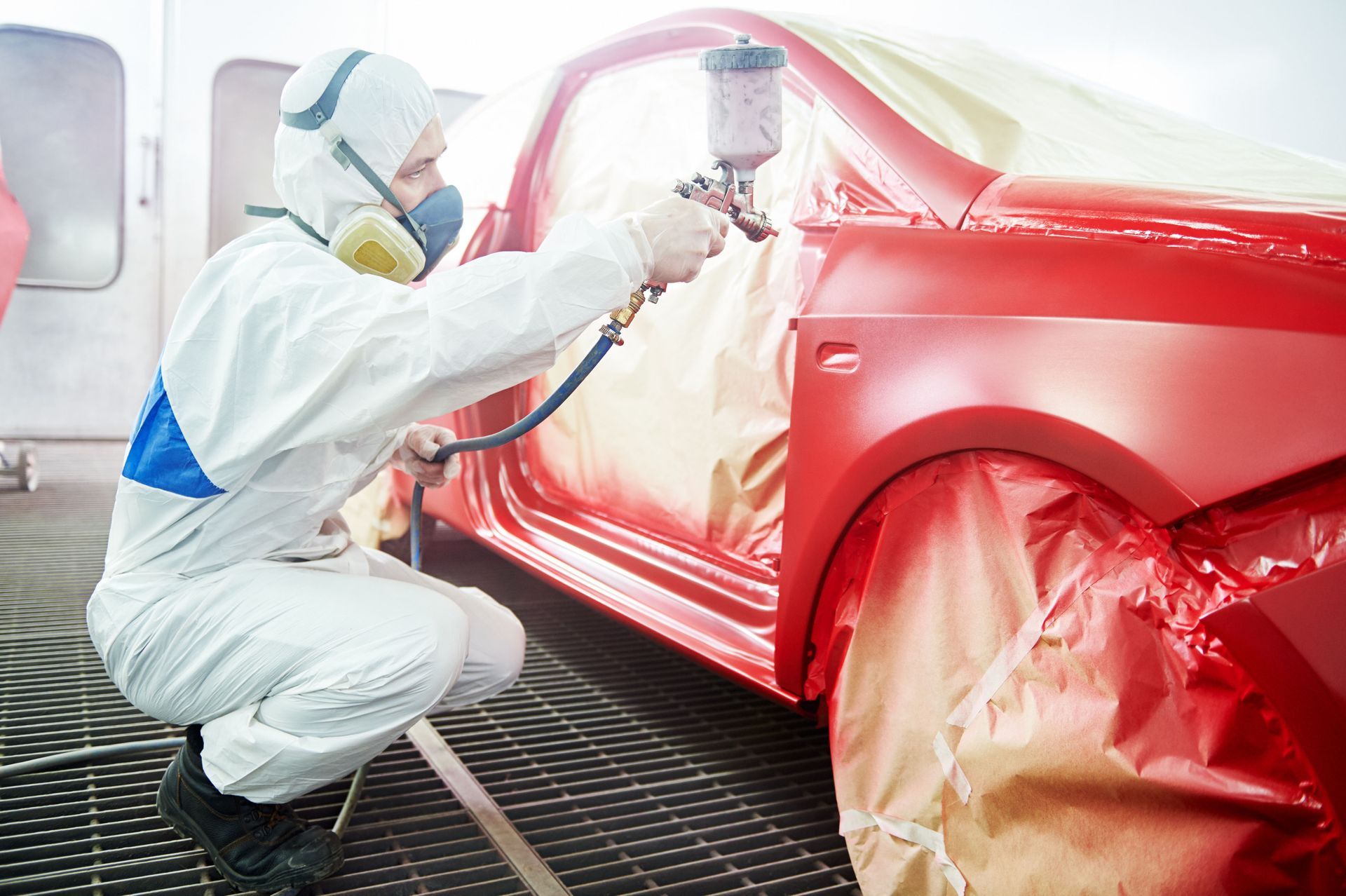
Another frequent preparation mistake is neglecting to properly mask or protect areas that should not be painted. This can include windows, trim, tires, and other car components where paint overspray can occur. Failure to effectively mask these areas can result in unnecessary and unsightly paint drips and overspray, diminishing the professional appearance of the paint job. To avoid this, painters must take their time to carefully cover and tape these sensitive areas before the painting process begins. By practicing meticulous masking procedures, one can ensure cleaner paint lines and a more polished look. Proper masking also reduces the amount of correction work needed later, saving time and materials.
Lastly, using low-quality materials or the wrong type of paint is a significant preparation mistake. Each vehicle surface requires a specific kind of paint, ranging from acrylics to urethanes, and using the incorrect type can lead to adhesion issues or premature fading. According to Astute Analytica, the global automotive paint industry is estimated to reach a valuation of $28.4 billion by 2032, emphasizing the wide variety of available options and the importance of making informed decisions. By conducting thorough research and investing in high-quality materials, painters can enhance the resilience and vibrancy of the paint job. This thoughtful selection ensures the vehicle maintains its color and shine far longer than cheaper alternatives would allow.
Master Spray Gun Techniques for Even Coverage
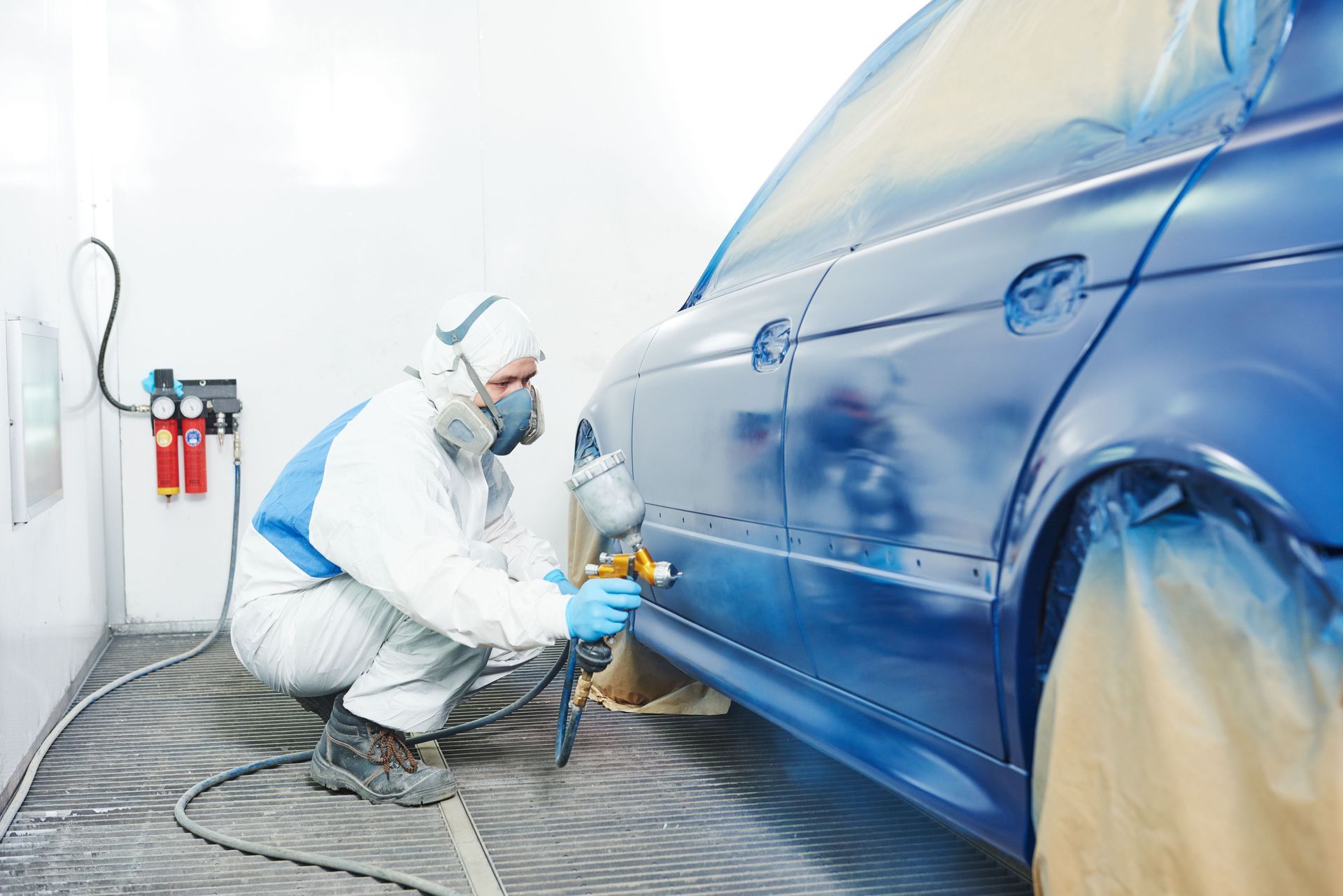
One of the most prevalent application mistakes in auto painting is the improper use of paint spray guns. Lack of skill or familiarity with the equipment can lead to uneven application, resulting in blotchy and streaky appearances. To overcome this, it's crucial for users to calibrate the spray gun correctly, ensuring the right pressure setting and spray pattern. Mastery over the spray gun produces a smooth, even coat, essential for achieving a professional-grade finish. Taking the time to practice and understand the equipment prevents these errors and elevates the outcome. Consistent training and hands-on experience can dramatically reduce application flaws.
Another application misstep is applying paint coats too thickly or too thinly. Thick coats can cause paint runs and sagging, while thin coats may result in inadequate coverage and visible base color or primer. The key to a successful application lies in applying multiple thin and even layers of paint, allowing sufficient drying time between coats. Attention to coating thickness ensures better adherence and depth of color, enhancing the durability and appearance of the paint job. Careful monitoring and adjusting of the application process help avoid these pitfalls. Following manufacturer recommendations for layer thickness greatly improves overall consistency.
Ignoring or skipping the flash-off period between coats is a mistake that many DIY enthusiasts and some professionals make. The flash-off period is the necessary drying time between applying coats that allows solvent evaporation, preventing issues like solvent entrapment and cratering. Skipping this step can compromise the bonding of the paint layers, increasing the likelihood of defects. Proper adherence to recommended flash-off times as specified by the paint manufacturer can prevent these problems, leading to a more robust and long-lasting finish. Understanding and respecting these timelines is integral to the painting process. This simple step can make the difference between a flawless surface and one riddled with imperfections.
Refine Painted Surfaces With Proper Sanding
One key mistake in the finishing phase is neglecting to implement proper sanding techniques. Inadequate sanding after painting can result in imperfections such as orange peel texture, dust nibs, and blemishes. It's crucial to perform wet sanding with fine-grit sandpaper to smooth out the paint surface and achieve an impeccable gloss. This step often determines the difference between an amateur and professional finish, so approaching it with care and patience is paramount. A well-executed sanding phase can vastly enhance the reflective quality and smoothness of the vehicle's paint job. Even small improvements in sanding technique can noticeably elevate the overall finish.
Another common finishing mistake is failing to properly buff and polish the vehicle post-painting. Buffing is needed to remove any minor scratches or inconsistencies on the paint surface, while polishing adds a shiny, attractive gloss. Skipping these steps may leave the paint looking dull and unfinished, ultimately detracting from the vehicle's aesthetic appeal. Taking the extra effort to buff and polish thoroughly can transform the paint job from flat to fabulous. This dedication to fine-tuning is what ultimately delivers a standout auto painting result. These finishing touches ensure that the paint job reaches its full visual potential.
Finally, overlooking paint protection is a mistake that compromises the longevity of a paint job. Without a protective coating, the paint is vulnerable to elements that can cause fading, chipping, or oxidation over time. This oversight often results in needing a new paint job sooner than anticipated. By applying a quality paint sealant or wax, one can create a barrier against environmental damage, ensuring the vehicle maintains its freshly painted look for a longer period. Investing in protection is a crucial step in completing the finishing process and safeguarding the paint investment. Regularly refreshing the protective layer further preserves the vehicle’s shine and color depth.
Achieving a flawless auto painting result requires careful attention to every stage of the process, from preparation to finishing. By avoiding common mistakes such as improper surface cleaning, incorrect application techniques, and neglecting essential finishing touches, professionals can enhance the quality and durability of their paint jobs. A superior auto painting not only boosts a vehicle's aesthetic value but also protects it from environmental hazards, ensuring long-term satisfaction and pride of ownership. By taking heed of these common pitfalls and prioritizing excellence in each step, one can achieve a truly exceptional auto painting result. With the right approach and expertise, any auto painting project can achieve a showroom-quality finish. Reach out to California West Coast Paint and Body to learn more about our services today.
Share On: