
14 Questions to Ask Your Auto Collision Shop Before Repairs
Being involved in a car accident is stressful enough without the added uncertainty of choosing the right repair facility. Once the initial shock wears off, many drivers are left wondering how to protect their vehicle, their budget, and their long-term safety. Selecting an auto collision shop is not just about fixing visible damage. It is about restoring your vehicle's structural integrity, appearance, and performance so you can drive with confidence again.
Asking the right questions before authorizing repairs can make a significant difference in the outcome. These questions help uncover how a shop operates, what standards they follow, and how transparent they are throughout the process. They also empower you to compare options instead of relying on assumptions or convenience alone. In this article, we'll cover the most important questions to ask your auto collision shop before repairs so you can make an informed, confident decision.
1. What Experience Do You Have With My Type of Vehicle?
Not all vehicles are built the same, and repair techniques can vary widely depending on make, model, and materials used. One of the first questions to ask is whether the shop has experience repairing vehicles like yours. This is especially important for newer models, luxury vehicles, or cars with advanced safety systems.
A knowledgeable shop should be able to explain their familiarity with your vehicle's construction and any manufacturer-specific requirements. Experience with similar repairs often leads to more accurate estimates, fewer delays, and better overall results.
2. Are Your Technicians Properly Trained and Certified?
The quality of repairs depends heavily on the skill of the technicians performing them. Asking about training and certifications gives insight into whether the shop invests in ongoing education and follows industry standards.
Certifications indicate that technicians are trained in current repair methods, safety procedures, and material applications. This is particularly important as vehicle designs continue to evolve, incorporating lighter materials and more complex systems.
3. What Repair Process Do You Follow From Start to Finish?
Understanding the repair process helps set expectations and reduces uncertainty. A professional auto collision shop should be able to clearly explain what happens after you drop off your vehicle, from initial inspection to final quality checks.
This explanation may include disassembly, damage assessment, parts ordering, repairs, refinishing, and reassembly. Knowing the process helps you understand timelines and reassures you that repairs are handled methodically rather than rushed.
4. How Do You Handle Damage That Is Not Immediately Visible?
Many collision-related issues are not obvious at first glance. Structural damage, alignment problems, and internal component issues may only become apparent once the vehicle is disassembled.
Asking how the shop handles hidden damage helps you understand their approach to accuracy and safety. A reliable auto collision shop will communicate promptly if additional issues are discovered and explain how they affect the repair plan and cost.
5. What Types of Materials and Paint Systems Do You Use?
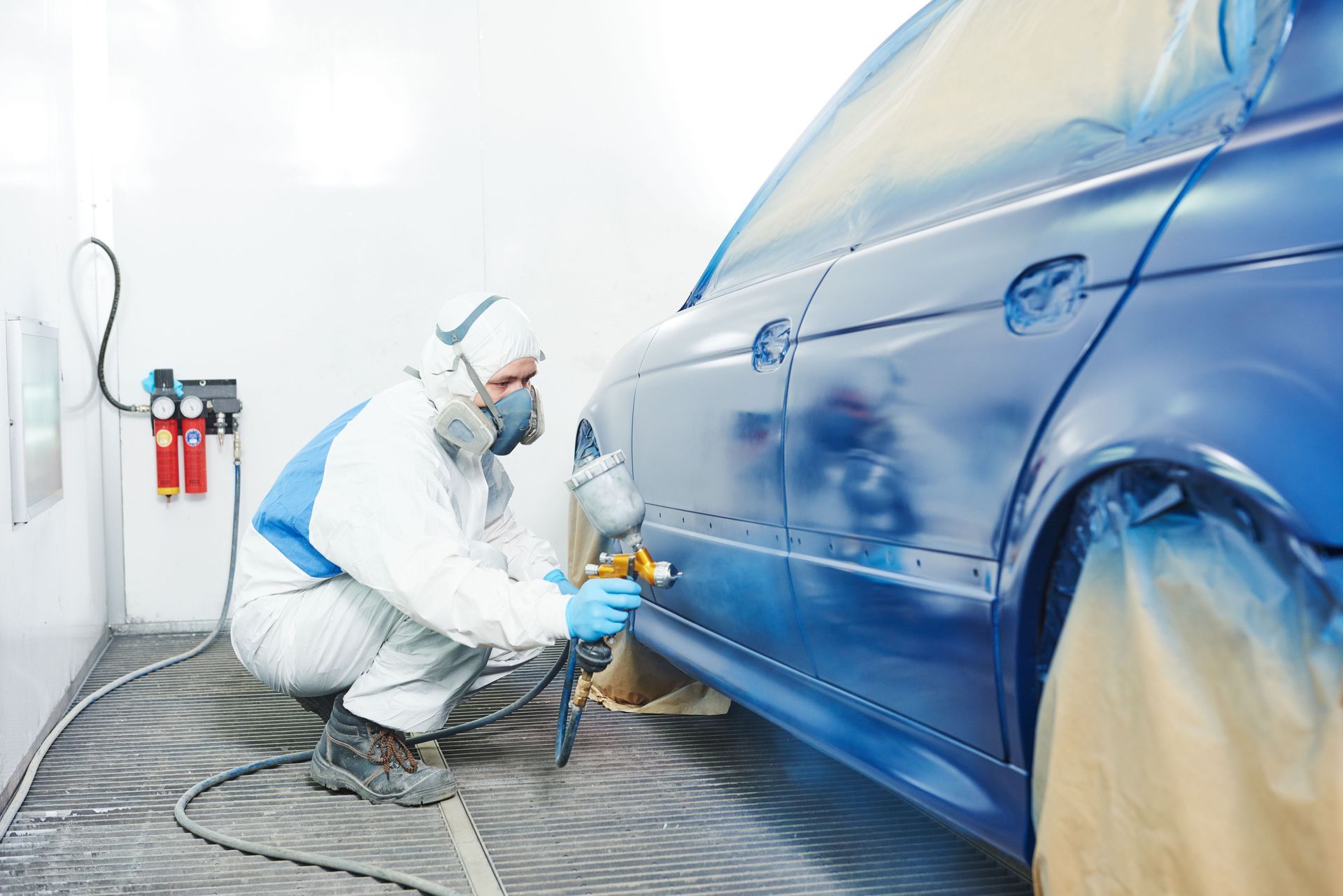
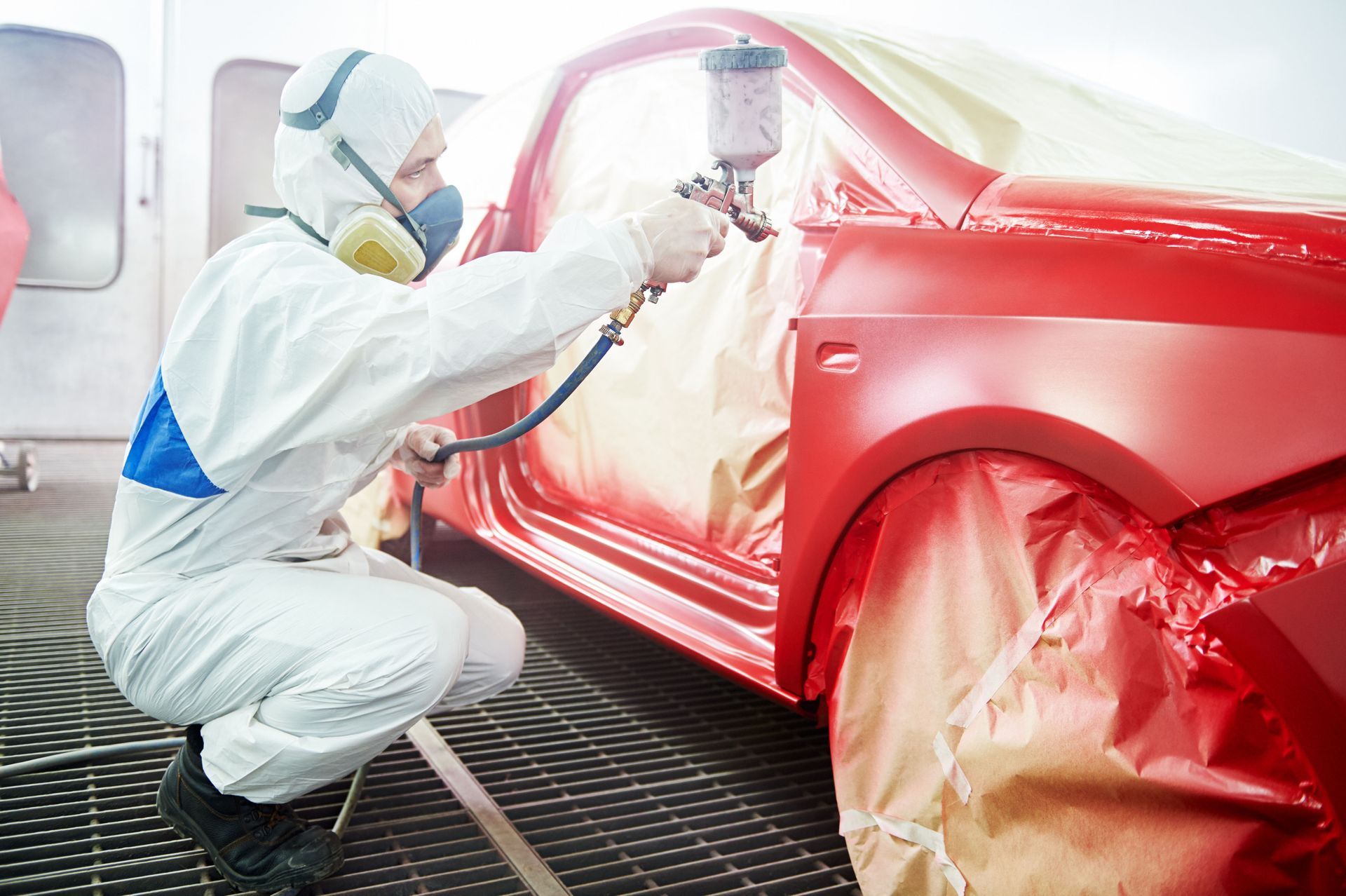
Modern auto body repairs rely on advanced materials and coatings to restore both appearance and protection. Asking about the materials used, particularly paint and clear coat systems, is an important step.
According to Astute Analytica, polyurethane held close to 44% of the global market share, followed by epoxy and acrylic. Understanding whether the shop uses high-quality, industry-standard materials helps confirm that your vehicle will receive a durable, long-lasting finish.
6. Will You Use OEM or Aftermarket Parts?
Replacement parts can come from different sources, and the choice can affect both cost and performance. Original equipment manufacturer parts are designed specifically for your vehicle, while aftermarket parts may vary in fit and quality.
Asking this question helps you understand what parts will be used and why. A transparent shop will explain the pros and cons of each option and respect your preferences whenever possible.
7. How Do You Work With Insurance Companies?
Insurance involvement is often part of the repair process, but not all shops handle claims the same way. Asking how the shop works with insurers helps clarify communication and billing expectations.
Some shops coordinate directly with insurance adjusters, while others involve the vehicle owner more closely. Understanding this relationship helps avoid confusion and delays during repairs.
8. What Is Included in the Written Estimate?
A detailed estimate is essential for understanding costs and avoiding surprises. Ask what the estimate includes and whether it accounts for labor, parts, materials, and potential supplemental repairs.
A professional auto collision shop should provide a clear, itemized estimate and explain any areas that could change based on additional findings. Transparency at this stage reflects the shop's overall professionalism.
9. How Long Will the Repairs Take?
Timelines matter, especially if you rely on your vehicle for daily transportation. Asking about the expected repair duration helps you plan accordingly and sets realistic expectations.
While exact timelines can vary depending on damage severity and parts availability, experienced shops should provide a reasonable range and keep you informed if delays arise.
10. What Kind of Quality Control Checks Are Performed?
Quality control ensures that repairs meet safety and appearance standards before the vehicle is returned. Asking about final inspections shows whether the shop takes responsibility for the finished product.
These checks may include test driving, alignment verification, paint inspection, and safety system calibration. Thorough quality control reduces the likelihood of post-repair issues.
11. Do You Provide Any Warranties on Repairs?
Warranties offer reassurance long after repairs are complete. Asking about warranty coverage helps you understand what is protected and for how long.
A reputable shop should stand behind its workmanship and materials. Clear warranty terms demonstrate confidence in the quality of repairs and provide peace of mind if issues arise later.
12. How Will You Keep Me Updated During the Repair Process?
Good communication is critical during auto repairs. Ask how the shop provides updates and who your primary point of contact will be.
Regular communication helps prevent misunderstandings and keeps you informed about progress, changes, or delays. This level of transparency makes the process less stressful.
13. Can I See Examples of Your Previous Work or Reviews?
Past work and customer feedback offer valuable insight into a shop's reputation. Asking to see examples or reviews helps you gauge consistency, craftsmanship, and customer satisfaction.
A confident auto collision shop should be willing to share this information. Positive feedback and documented results build trust before repairs begin.
14. What Sets Your Shop Apart From Others?
This open-ended question allows the shop to explain its strengths in its own words. Their response can reveal priorities such as customer service, advanced equipment, or attention to detail.
Listening carefully helps you determine whether their values align with your expectations and comfort level.
Choosing the right auto collision shop is about more than convenience or price. It is about ensuring your vehicle is repaired safely, accurately, and with care. Asking thoughtful questions before authorizing repairs helps you understand the shop's experience, materials, processes, and commitment to quality.
By taking the time to evaluate your options and communicate openly, you protect both your vehicle and your peace of mind. If your car needs repairs and you want results you can trust, start by asking the right questions. Contact California West Coast Paint and Body today to discuss your repair needs and take the next step toward getting back on the road with confidence. We'll be happy to answer any questions you may have!
Share On: