
What to Expect During a Professional Auto Painting Service
Opting for a professional auto painting service is a decision vehicle owners choose to restore or enhance the aesthetic appeal of their automobiles. Whether it's due to visible wear and tear, damage, or simply to change the vehicle's appearance, understanding what to expect during this process can make a significant difference in the outcome. Anticipating the various stages involved in auto painting helps vehicle owners prepare adequately and ensures they make informed decisions throughout the process. Additionally, having prior knowledge enables car owners to ask the right questions and verify that they receive top-tier service. Knowing what each stage involves also helps set realistic expectations for the timeline and final results.
Assess the Vehicle and Prepare the Surface
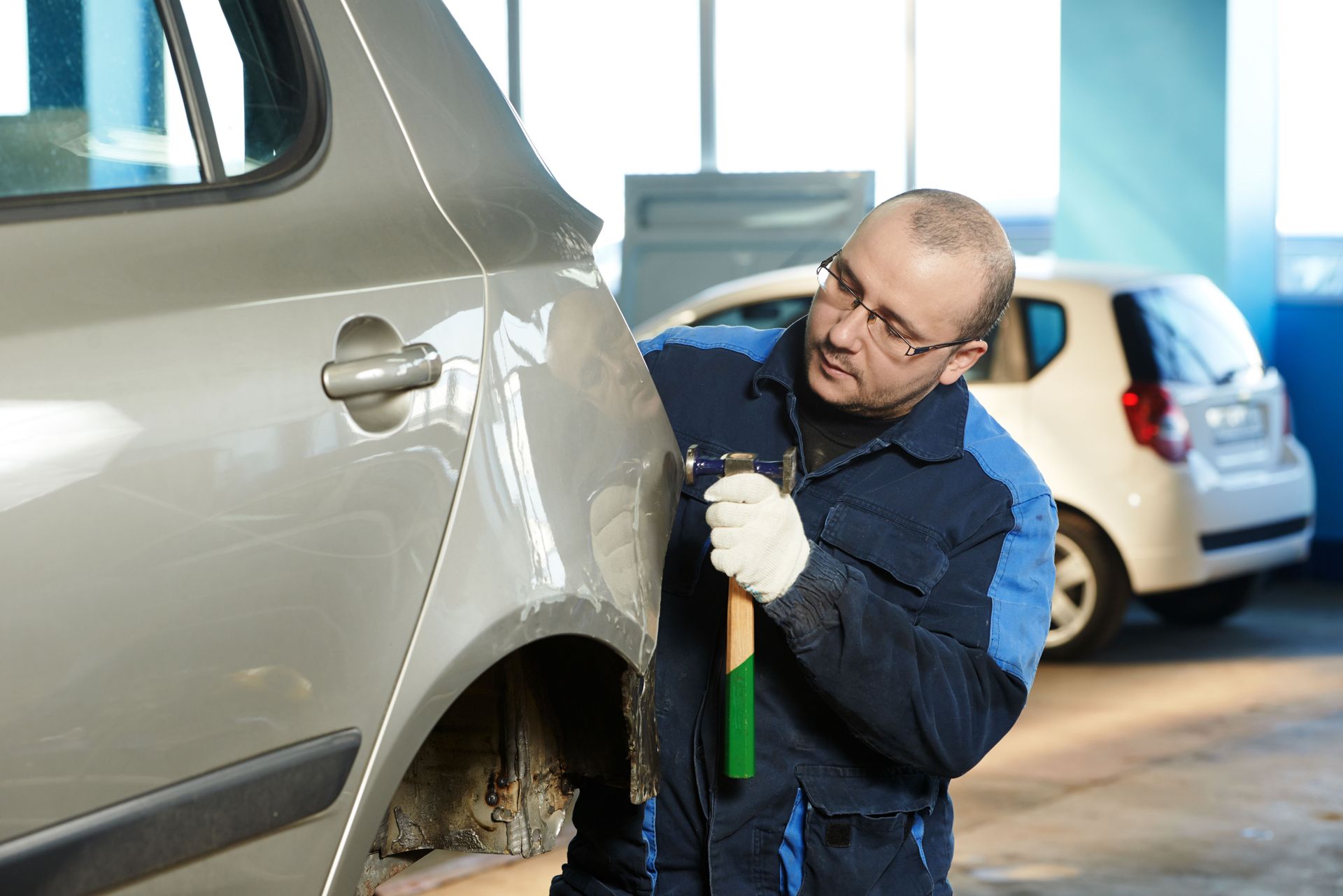
The first step in professional auto painting begins with an initial assessment of the vehicle. During this stage, technicians assess the condition of the vehicle's current paint and bodywork. This evaluation is crucial as it sets the foundation for the entire process. Technicians will inspect for any dents, scratches, or rust that needs attention. Addressing these issues early ensures that the subsequent layers of paint adhere properly and deliver a smooth, long-lasting finish. Moreover, this assessment allows for an informed estimate of the time and resources required for the job. Identifying existing damage also helps technicians determine which repairs are necessary before painting begins.
Following the assessment, surface preparation is the next pivotal step. This involves cleaning the vehicle to remove any dirt, grease, or oils that might obstruct the adhesion of paint. Sanding comes into play here, aiding in creating a suitable surface for the primer to bond effectively. Precision in these initial phases is critical, as any oversight can compromise the integrity of the final appearance. Meticulous preparation guarantees that subsequent layers perform optimally and achieve the desired outcome. Proper preparation also helps prevent peeling and other paint defects that could affect the finished result.
Select the Right Automotive Paint
Once the surface is ready, the next phase is crucial: selecting the appropriate paint color and type. This decision is often guided by the vehicle owner’s preferences and the expert advice of the painting service. Paint defines the aesthetic appeal and also impacts the durability of the finish. Two commonly used types of automotive paint are base coat/clear coat and single-stage enamel. The consultation process ensures that owners select not only the most visually pleasing but also the most practical option considering the vehicle’s use. Matching the existing paint color may also be important when repairing specific areas rather than repainting the entire vehicle.
According to Astute Analytica, polyurethane holds about 44% of the global market share in the automotive paint industry, followed closely by epoxy and acrylic. Such materials are favored for their resilience and excellent finish, offering both aesthetic satisfaction and long-term protection for the vehicle. These components, chosen appropriately, ensure the longevity of the paint job against environmental elements. Choosing the right type can significantly influence maintenance requirements in the future, reducing upkeep costs. Professional technicians can explain the advantages of each option to help vehicle owners make a suitable choice.
Mask the Vehicle and Apply Primer
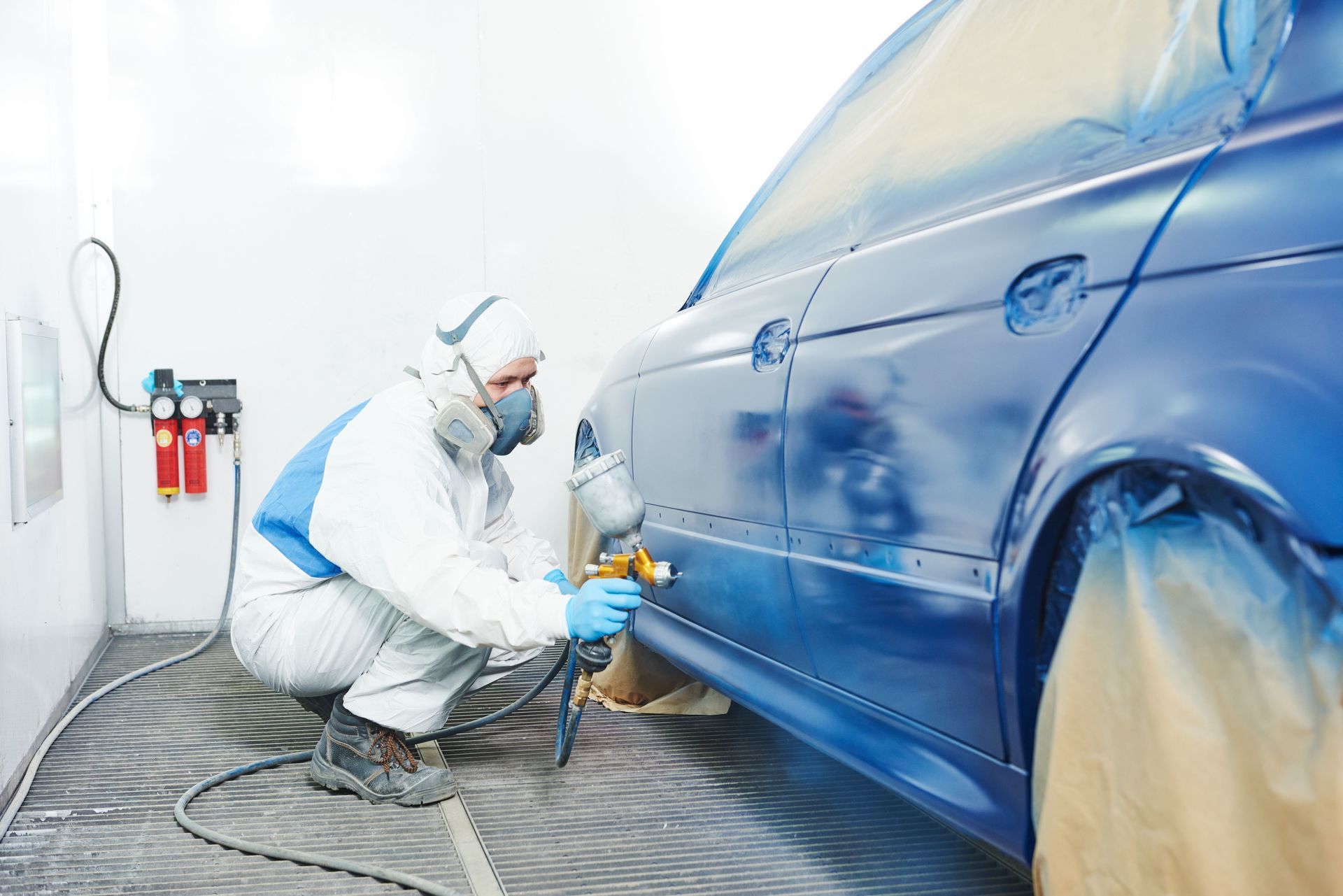
After the paint type is chosen, the next task is meticulous masking. Vehicles have areas that should not be painted, such as windows, tires, and certain trims, which require covering with protective tape and paper to prevent unwanted paint application. This meticulous masking process ensures that only the intended surfaces receive paint coverage, maintaining the integrity of unpainted components. Effective masking reflects attention to detail and minimizes the need for subsequent corrective work. Taking time to secure these protective coverings also helps create clean edges and a more polished overall appearance.
The application of primer follows. Primer serves multiple functions: it provides a consistent base layer for the paint to adhere to, enhances the adhesion of the subsequent layers of paint, and helps prevent rust and corrosion on the vehicle body. The primer acts as a preparatory layer, smoothing out imperfections and enhancing color consistency in the finished product. It is vital because it determines how well the paint bonds to the vehicle’s surface and how it withstands environmental challenges. Ultimately, a well-primed vehicle ensures that the paint job retains its luster and resilience over time. Technicians typically allow the primer to dry properly and create an even surface before applying the color coat.
Apply the Base Coat and Clear Coat
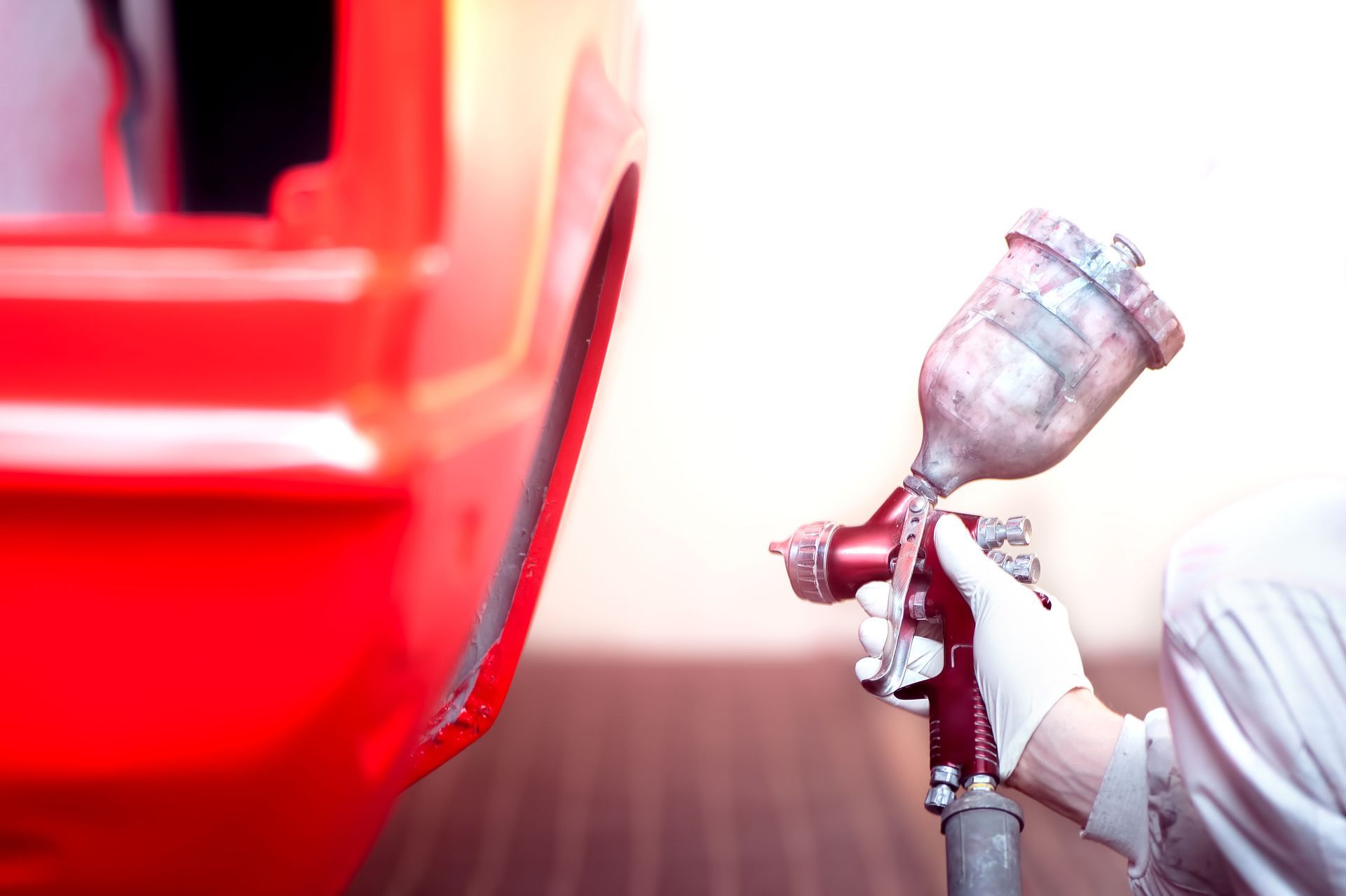
With the primer in place, the process moves to the application of the base coat. This is the layer that provides the car with its primary color. Application techniques and equipment are critical at this stage to ensure even coverage and avoid drips or imperfections. Depending on the paint type, several layers might be applied to achieve the desired hue and depth. Mastery at this stage is key to realizing a seamless and desirable finish that meets client expectations. Technicians also allow adequate drying time between coats to support consistent coverage and proper adhesion.
The application of base coat is followed by the clear coat, which serves as a protective layer safeguarding the color underneath. The clear coat enhances the vehicle's shine, giving it an alluring glossy finish. It also adds a tough barrier resistant to scratches, UV rays, and environmental damage, ensuring the base color remains vibrant for years. This step underscores the craftsmanship involved in professional auto painting, demanding precision and expertise. Proper application extends the aesthetic appeal and provides long-term value by protecting the paintwork from potential harm. Once applied, the clear coat must cure properly to develop the finish's intended durability and shine.
Inspect the Finish and Complete Final Touch-Ups
The final stage in the professional auto painting service involves detailed touch-ups and a thorough inspection. Once the clear coat has set, technicians examine the entire surface for any inconsistencies or flaws that might have gone unnoticed. Any anomalies identified are carefully rectified to ensure a flawless appearance. The dedication to finding and correcting any imperfections exemplifies the commitment to quality. This inspection may also involve checking the paint for consistent color, smooth coverage, and a uniform finish across all painted panels.
This phase is where the quality of the service shines through. A meticulous inspection guarantees satisfaction, ensuring that every aspect meets industry standards. The vehicle is then given a final polish to enhance its gloss before being presented to the owner for approval. This attention to detail is what distinguishes professional auto painting services from less meticulous alternatives. The resulting satisfaction from both the aesthetic outcome and the durable finish reinforces the value of choosing a professional service. Before driving away, owners should also ask about recommended care practices and how long to wait before washing the freshly painted vehicle.
Understanding the detailed process involved in professional auto painting highlights the expertise and precision required at each stage. From initial assessment to final inspection, each phase contributes to achieving a high-quality finish that not only enhances the vehicle's appearance but also safeguards it against environmental hazards. The choice of materials, such as polyurethane, plays a crucial role in ensuring longevity and durability. Comprehensive knowledge of these processes empowers car owners to appreciate the value delivered by skilled painting services. Reach out to California West Coast Paint and Body to learn more about our services today.
Share On: