
How an Auto Collision Shop Restores Your Car After an Accident
Experiencing an automotive accident causes significant stress, leaving drivers to deal with insurance claims, safety concerns, and damaged property. Navigating the recovery process requires a clear understanding of how an auto collision shop systematically restores damaged vehicles. From hidden structural framework repairs to intricate cosmetic refinishing, professional technicians follow strict industry procedures to ensure every vehicle returns to original factory specifications. Understanding these procedures empowers vehicle owners to make informed decisions and verify that their post-accident repair meets rigorous safety standards.
Initial Assessment and Damage Evaluation
A comprehensive restoration journey begins the moment a vehicle arrives at a certified auto collision shop. Professional technicians initiate a detailed visual inspection, systematically documenting every visible dent, scrape, and panel misalignment. This initial examination creates a baseline record that supports subsequent repair planning and accurate insurance claim processing. Documenting superficial and structural damage early prevents discrepancies during later phases of bodywork.
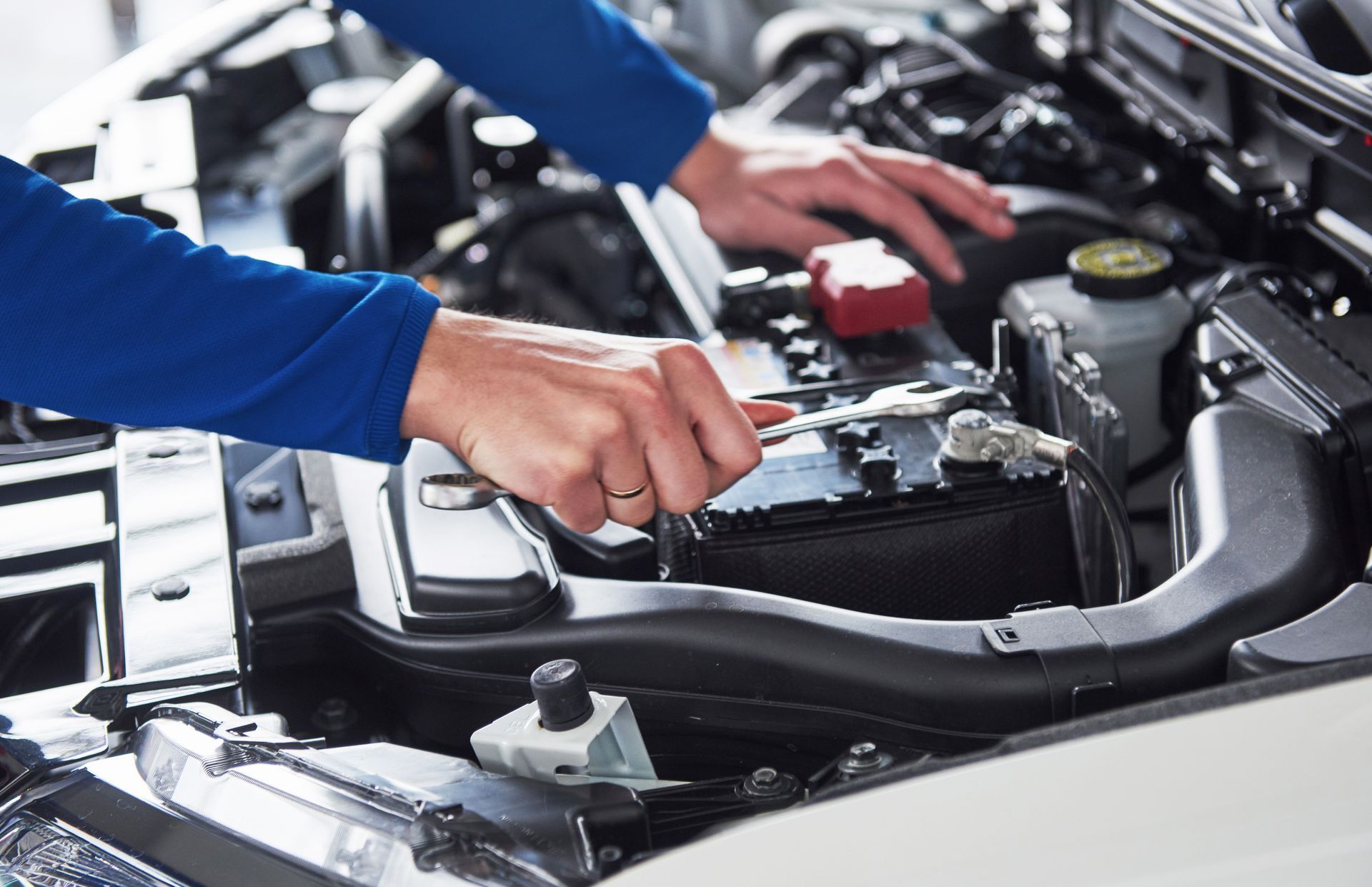
Beyond visual checks, technicians rely on advanced computerized diagnostic equipment to identify electronic and mechanical faults hidden beneath the surface. Laser measuring systems analyze the vehicle frame against factory dimensions, detecting subtle warps or misalignments undetectable to the human eye. Accurate digital diagnostics ensure that underlying mechanical components and safety sensors receive necessary repairs alongside exterior panels.
Following diagnostic mapping, the repair facility generates an itemized cost estimate detailing required labor hours, replacement parts, and material expenses. Estimates are submitted directly to insurance adjusters to streamline claim approvals and establish financial responsibility. Transparent communication between the repair facility, insurer, and vehicle owner prevents unexpected out-of-pocket costs and secures approval for proper repair methods.
Once financial approvals are confirmed, technicians establish a structured repair timeline that accounts for parts availability, labor allocation, and specialized refinishing stages. Establishing a realistic schedule helps manage expectations while allowing technicians sufficient time to complete thorough quality checks. Clear timelines prevent rushed repairs, ensuring that safety-critical procedures receive appropriate attention throughout the restoration process.
Before physical labor begins, a formal customer consultation takes place to review the scope of work, estimated timeline, and targeted completion goals. Technicians explain specific procedures, answer questions regarding component selection, and secure final written authorization. Maintaining clear communication during this initial phase builds confidence and establishes a shared understanding of expected repair outcomes.
Dismantling and Parts Procurement
Physical repair work begins during the teardown phase, where technicians carefully disassemble damaged exterior panels and trim components. Safe dismantling procedures require organized labeling and secure storage of reusable hardware to streamline eventual reassembly. Removing damaged exterior bodywork allows technicians to inspect internal bumper bars, crush zones, and suspension mounts for concealed secondary impact damage.
Exposing the underlying structure reveals hidden cracks, twisted brackets, or stressed subframes that were invisible during initial visual checks. Technicians document these additional findings and submit supplemental estimates to insurance providers for approval. Accurately identifying every compromised internal part during teardown eliminates surprise delays during later assembly stages.
Once all damaged items are cataloged, the auto collision shop sources high-quality replacement components. Technicians prioritize Original Equipment Manufacturer parts to guarantee precise fitment, structural strength, and factory finish matching. When appropriate, high-grade aftermarket alternatives or quality recycled components may be selected based on insurance guidelines and owner preferences.
Managing the delivery logistics of ordered components requires consistent communication with parts distributors and freight suppliers. Efficient tracking prevents workflow bottlenecks and keeps technicians supplied with necessary components as repairs progress. Swiftly resolving order discrepancies or backordered items keeps the overall restoration schedule on track.
Structural Repairs and Realignment
Restoring a vehicle after a severe impact demands precise structural repair to recover original frame integrity. Technicians secure the vehicle chassis onto specialized frame alignment machines, utilizing computerized laser measurement systems to identify millimetric shifts. Precision hydraulic towers pull and shape twisted steel or aluminum back to original factory dimensions, ensuring proper handling and crashworthiness.
Modern auto collision shop facilities depend heavily on digital measurement systems to guide frame straightening efforts. Computerized software compares real-time structural geometry against original manufacturer blueprints, alerting technicians when tolerances match factory standards. Achieving millimetric accuracy ensures that suspension pick-up points and body mounts realign perfectly, preserving vehicle stability and tire wear patterns.
When frame sections suffer severe deformation, certified technicians perform advanced sectioning and structural welding. Technicians execute high-strength welds using specialized equipment calibrated for high-strength steel, aluminum, and composite alloys. Precise welding techniques restore structural rigidity around passenger cabins and impact absorption zones without weakening adjacent metal through excessive heat exposure.
The structural phase concludes with comprehensive wheel alignment testing on specialized digital alignment racks. Technicians measure camber, caster, and toe angles to ensure the suspension operates according to manufacturer specifications. According to Amica Insurance, around 1.7 million rear-end collisions take place in the U.S. each year, frequently causing subtle axle and frame misalignments that demand expert correction. Rigorous alignment verification ensures safe handling and smooth power delivery before cosmetic repairs commence.
Body Repairs and Surface Preparation
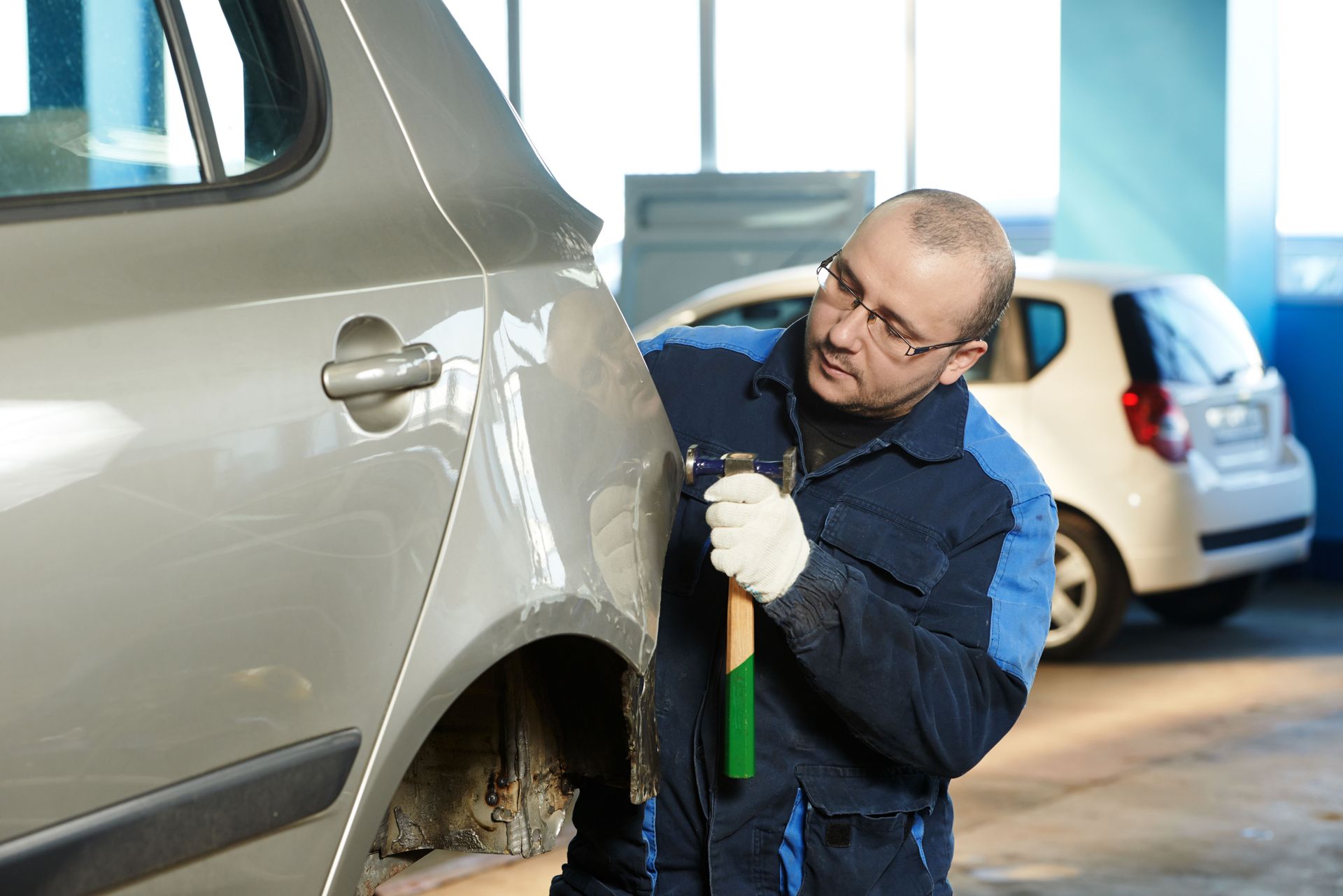
With structural geometry restored, attention shifts to repairing cosmetic body panels, door skins, and exterior contours. Skilled technicians apply specialized dent-pulling techniques or perform paintless dent repair to smooth minor surface imperfections without compromising factory metal coatings. When deeper contours require smoothing, technicians apply lightweight body fillers, carefully sculpting and blocking the material to match original body curves.
After shaping surface contours, technicians sand the repaired areas using progressively finer abrasive grits to achieve an even finish. Thorough surface smoothing removes rough edges, scratches, and transition lines between raw metal, body filler, and existing factory paint. Patience during surface sanding prevents visible imperfections from showing through final paint applications.
When exterior panels suffer catastrophic folding or tearing, technicians replace the entire section with a new factory panel. Installing replacement panels requires meticulous alignment of door gaps, fender lines, and hood seams to maintain uniform body spacing across the vehicle. Precise panel fitment preserves smooth body lines, prevents wind noise, and ensures proper weatherstrip sealing against rain and road debris.
Protecting exposed steel and aluminum surfaces against future corrosion remains an essential step during surface preparation. Technicians apply specialized anti-corrosion primers, seam sealers, and protective undercoatings to freshly repaired metal joints. Robust corrosion barriers prevent rust formation, preserving structural longevity and exterior appearance through changing weather conditions.
Paint and Refinishing
Achieving a flawless paint finish requires sophisticated computerized color matching technology. Technicians retrieve factory paint codes and scan existing vehicle paint with digital spectrophotometers to measure age-related fading and color variations. Custom paint formulas are mixed in dedicated mixing stations, ensuring that newly painted panels blend seamlessly into surrounding original finishes.
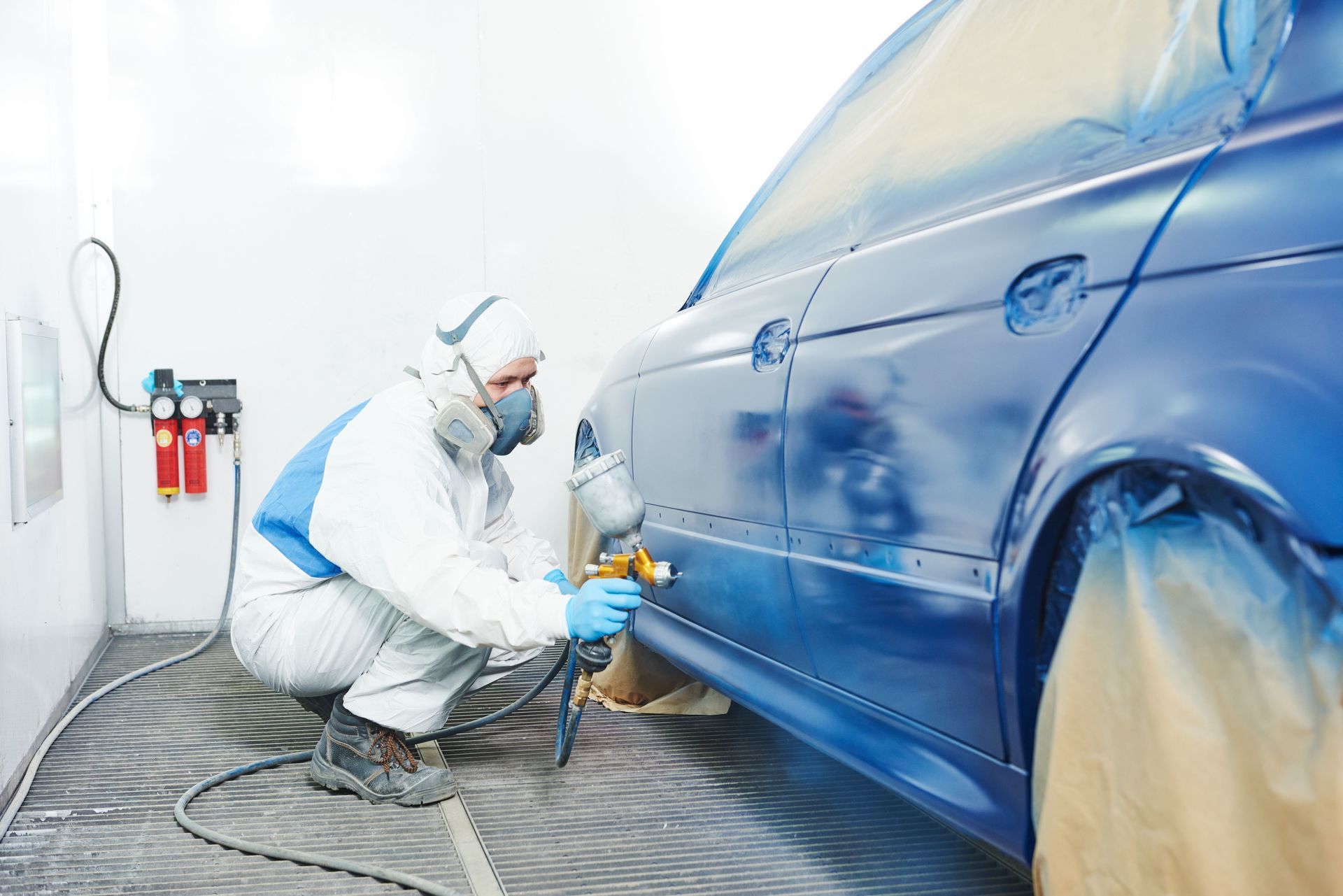
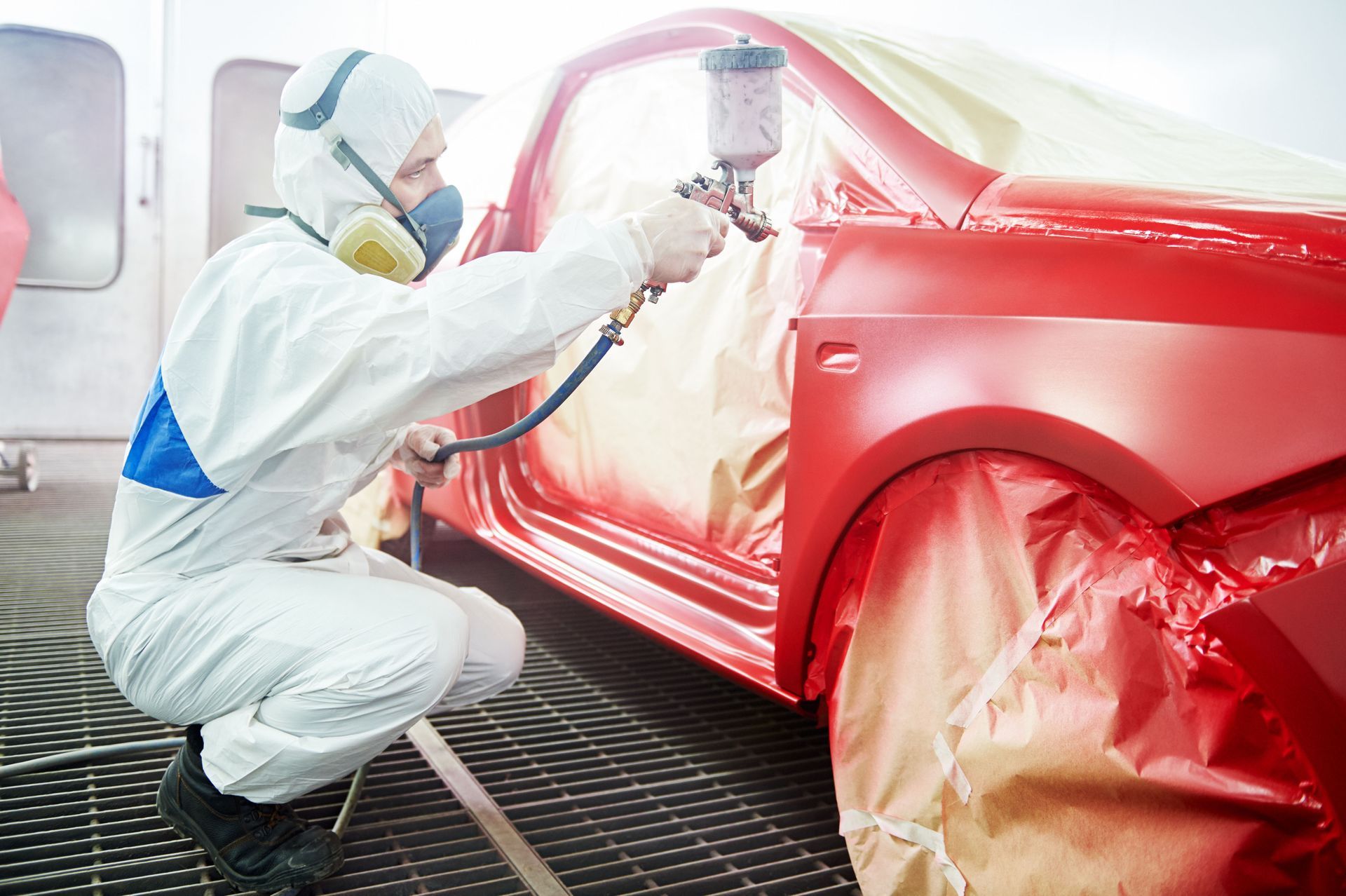
Painting takes place inside advanced, climate-controlled spray booths designed to eliminate airborne dust, humidity fluctuations, and overspray. Technicians wear protective gear and utilize high-volume, low-pressure paint guns to apply uniform base coats across repaired surfaces. Maintaining stable booth temperatures and air velocity ensures smooth paint flow and eliminates finish flaws like runs or orange peel.
To duplicate factory depth and gloss, technicians apply multiple layers of base coat followed by durable clear coat finishes. Clear coat layers act as a protective barrier against ultraviolet rays, chemical spills, road salt, and minor surface scratches. Masterful clear coat application yields a brilliant, deep luster that restores original showroom appearance while safeguarding underlying color layers.
Following clear coat application, the painted vehicle undergoes high-temperature bake curing inside the sealed booth chamber. Controlled thermal curing accelerates paint hardening, creating a tough, durable molecular bond across all applied layers. Proper bake curing hardens the surface quickly, allowing technicians to handle panels for final assembly without risking finish damage.
Restoring a vehicle after an accident requires technical expertise, specialized equipment, and careful attention to detail across every repair stage. A professional auto collision shop restores structural stability, recalculates electronic safety systems, and reproduces factory paint finishes to ensure complete driver protection and vehicle value preservation. For drivers seeking master craftsmanship, uncompromising safety standards, and flawless automotive restoration in Southern California, California West Coast Paint and Body delivers expert collision repairs designed to restore your vehicle to immaculate showroom condition.
Share On: