
How Professional Auto Collision Repairs Restore Structural Integrity
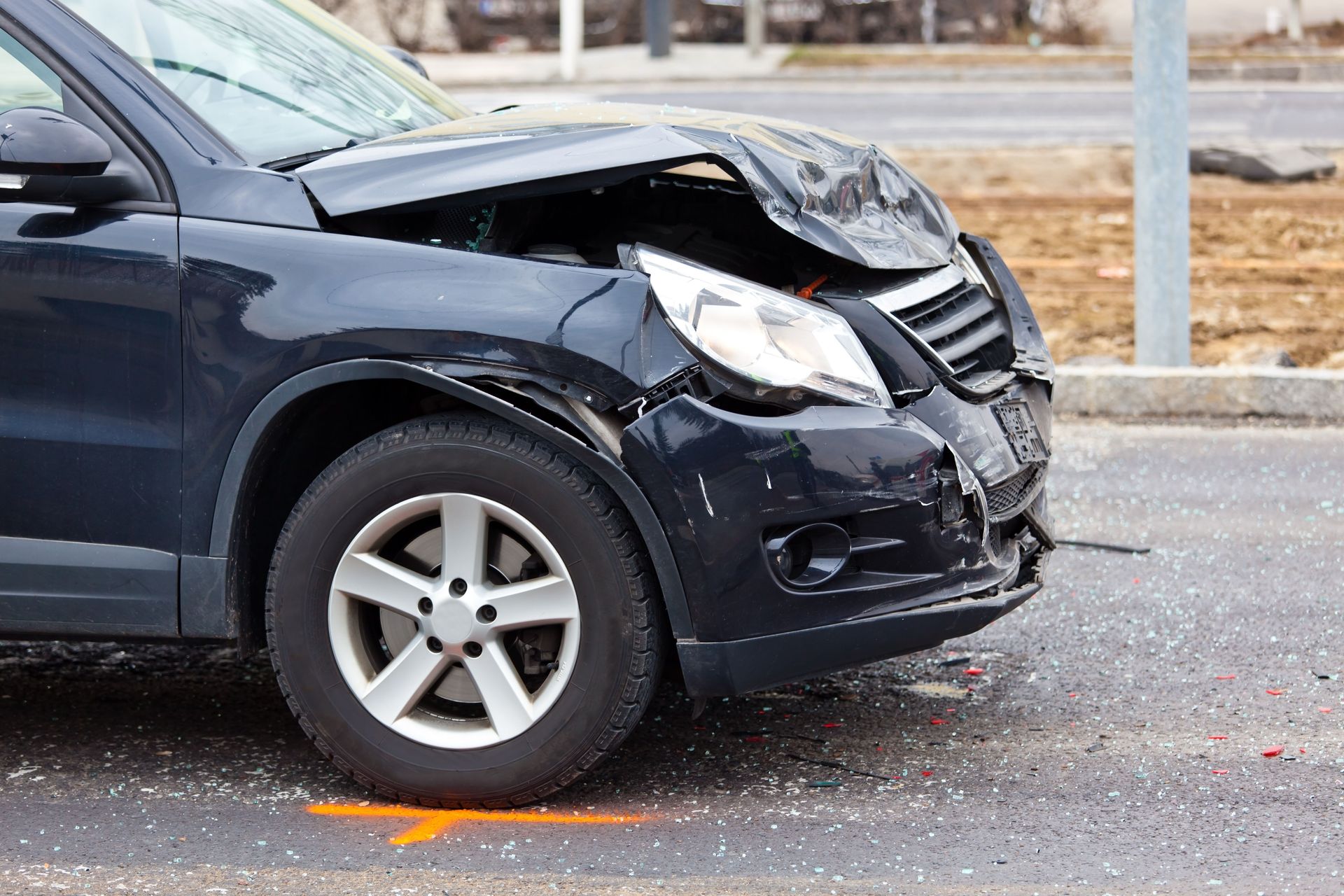
A collision can change much more than a vehicle's outward appearance. Even when the most noticeable damage is a dented fender, scraped panel, or damaged bumper, the force of an impact may affect the underlying structure that supports the vehicle. Professional repair work addresses both visible damage and structural changes so the vehicle can be returned as closely as possible to its pre-accident condition.
Structural integrity is especially important after more severe impacts because the frame and body must maintain the dimensions intended by the manufacturer. Professional auto collision repairs use careful assessment, precision equipment, frame straightening, body restoration, and manufacturer-approved procedures to address accident damage comprehensively. Understanding how these stages work together can help vehicle owners appreciate why collision restoration involves much more than improving appearance.
Collision Damage Is Not Always Obvious
The severity of an accident cannot always be judged by the appearance of the vehicle afterward. Impact forces can travel through different parts of the body and structure, potentially affecting areas away from the most visible point of contact. For that reason, a vehicle that initially appears to have relatively limited damage may require a more extensive professional assessment.
According to ConsumerShield, approximately 6.05 million police-reported crashes occur each year, equivalent to about one every 52 seconds. About 70% are property-damage-only crashes, meaning the majority involve property damage without reported injuries. With so many accidents primarily resulting in damaged vehicles, professional auto collision repairs play an important role in addressing the physical effects that remain after a crash.
Structural Assessment Establishes the Extent of the Damage
Before structural damage can be corrected, technicians need to determine how the collision affected the vehicle. An assessment considers the areas that were directly struck as well as other portions of the body and frame that could have moved or become distorted from the force. This provides the foundation for determining which repairs are necessary.
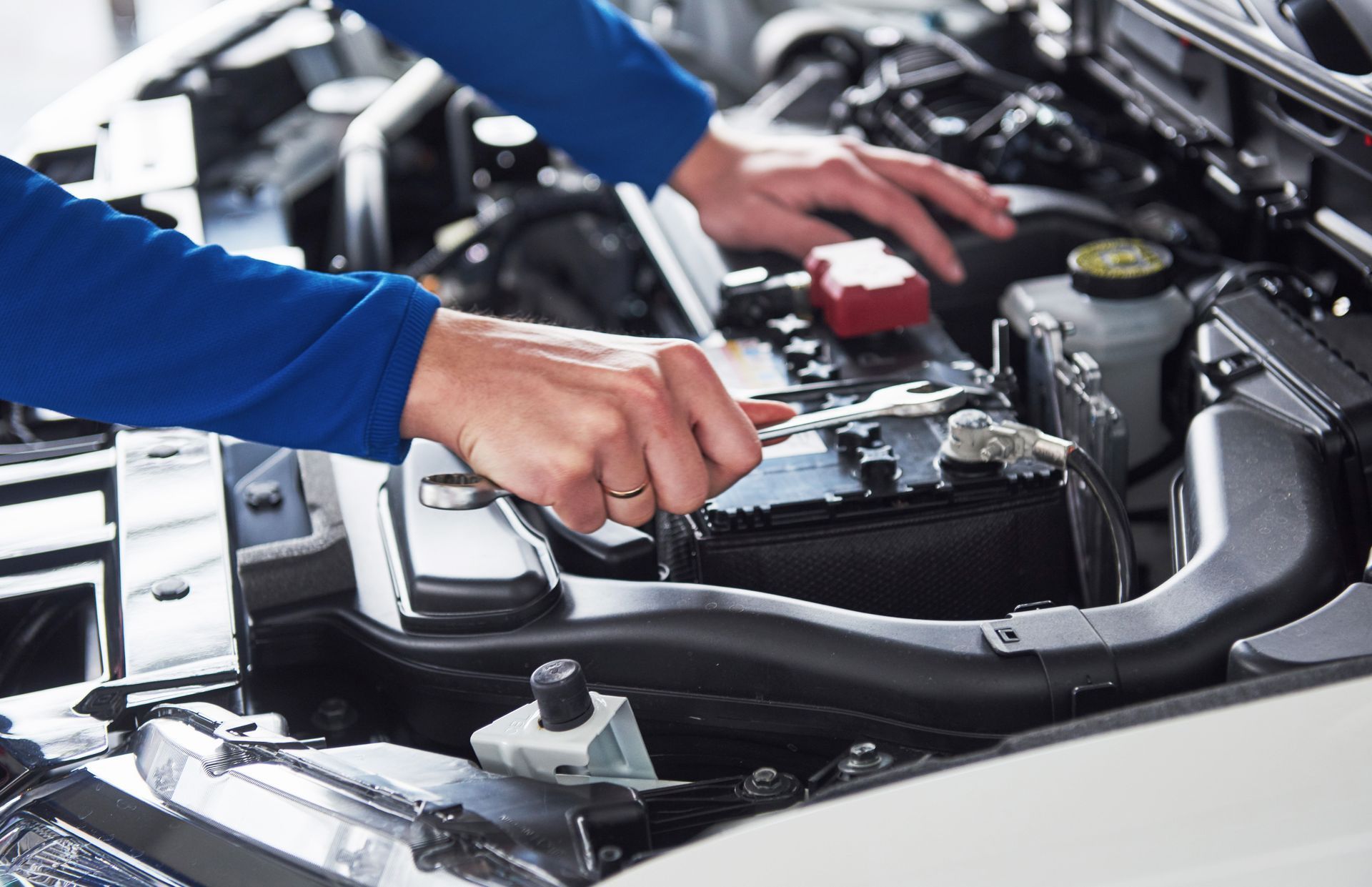
Modern repair equipment gives professionals the ability to evaluate structural problems with greater precision. Measurements can be compared with the dimensions specified for the vehicle rather than relying solely on what appears damaged from the outside. This distinction is particularly important when collision repair involves frame realignment or significant body damage because relatively small dimensional changes may not be immediately apparent during a simple visual inspection.
Frame Straightening Restores Vehicle Geometry
A vehicle's frame provides a structural foundation that needs to retain its intended shape and alignment. A substantial collision may bend, twist, or otherwise alter that structure. If the underlying frame remains distorted after exterior damage is addressed, the vehicle has not been fully restored to its intended structural condition.
Professional frame straightening uses specialized equipment to correct these changes with precision. The objective is to return the damaged structure to the manufacturer's specifications rather than merely make the affected area appear straight. This stage of auto collision repairs addresses the geometry beneath the exterior panels and helps restore the relationship between different structural areas of the vehicle.
Correcting the frame can also provide the proper foundation for subsequent body work. Exterior components are designed to fit around an accurately positioned structure, so body restoration and structural restoration are closely connected. Repairing the underlying damage first allows the remainder of the restoration to proceed from the correct dimensions.
Manufacturer Specifications Guide the Repair
Vehicles are designed according to specific measurements, materials, components, and construction methods. After a collision changes that carefully designed structure, professional repairs use manufacturer specifications as a reference point for restoring it. This gives technicians a defined standard instead of leaving structural correction to approximation.
Factory-approved procedures also matter when deciding how collision damage should be addressed. Following the appropriate procedures and using OEM parts when applicable allows the repair process to account for the way the particular vehicle was originally constructed. A repair approach appropriate for one vehicle or damaged area may not necessarily be appropriate for another, which makes vehicle-specific restoration an important part of professional collision work.
Body Repair Supports a Complete Restoration
Structural restoration and auto body repair frequently overlap. Fender damage, distorted body sections, dents, scratches, and other accident-related problems may all need attention after the underlying structural condition has been addressed. Restoring these areas helps return the vehicle to its pre-accident form rather than leaving the repair incomplete after frame correction.
Body alignment is particularly significant because panels and exterior components are designed to fit together in specific positions. Professional auto collision repairs address damaged body areas with attention to those relationships. Proper fit and alignment contribute to a finished vehicle that looks cohesive while reflecting the structural corrections performed beneath the surface.
The amount of body work required naturally depends on the accident. A minor fender bender and a collision involving major structural damage present very different repair needs. A professional evaluation allows the repair process to respond to the actual condition of the individual vehicle instead of treating every collision as though it produced the same type of damage.
Paint and Color Matching Complete the Exterior Restoration
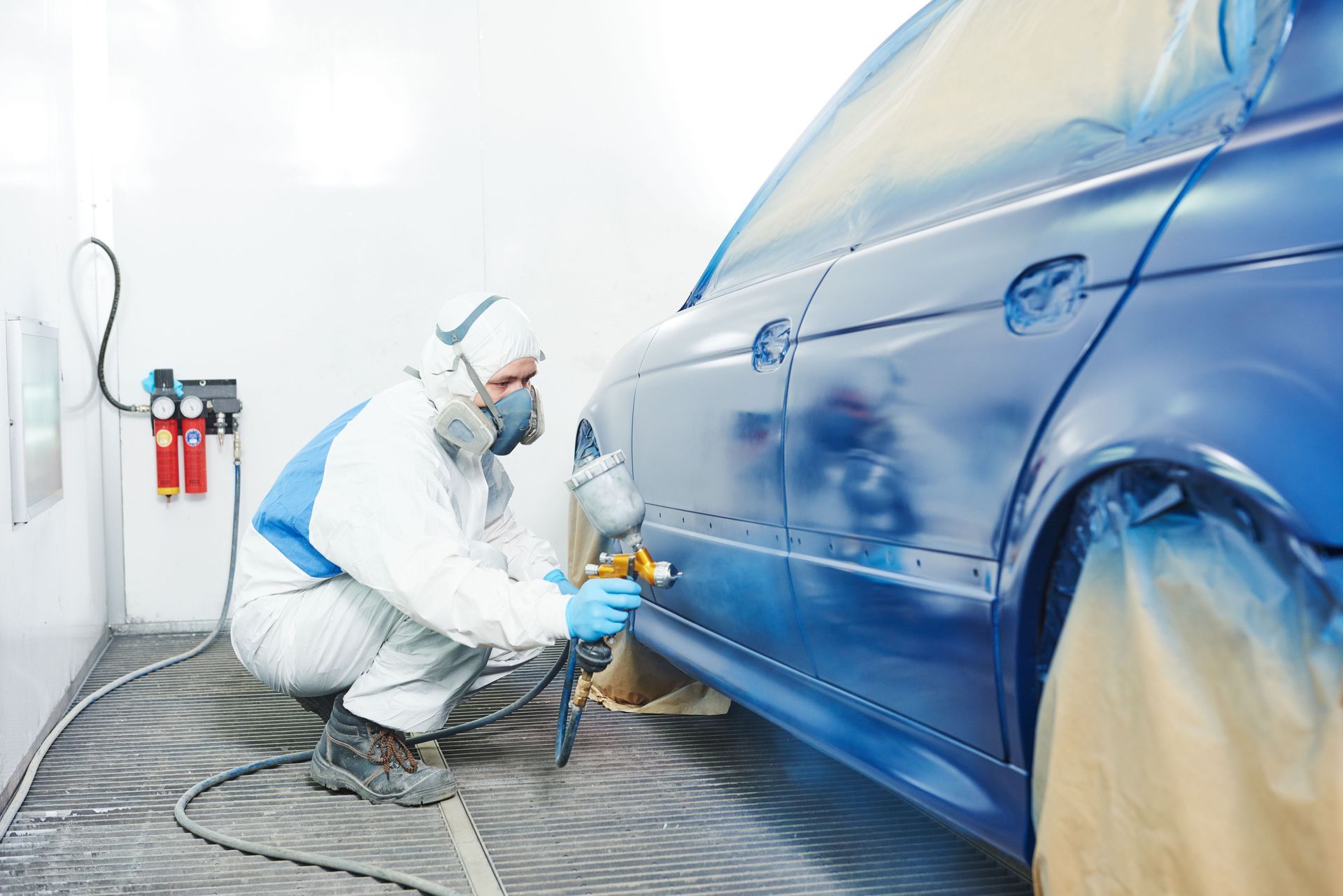
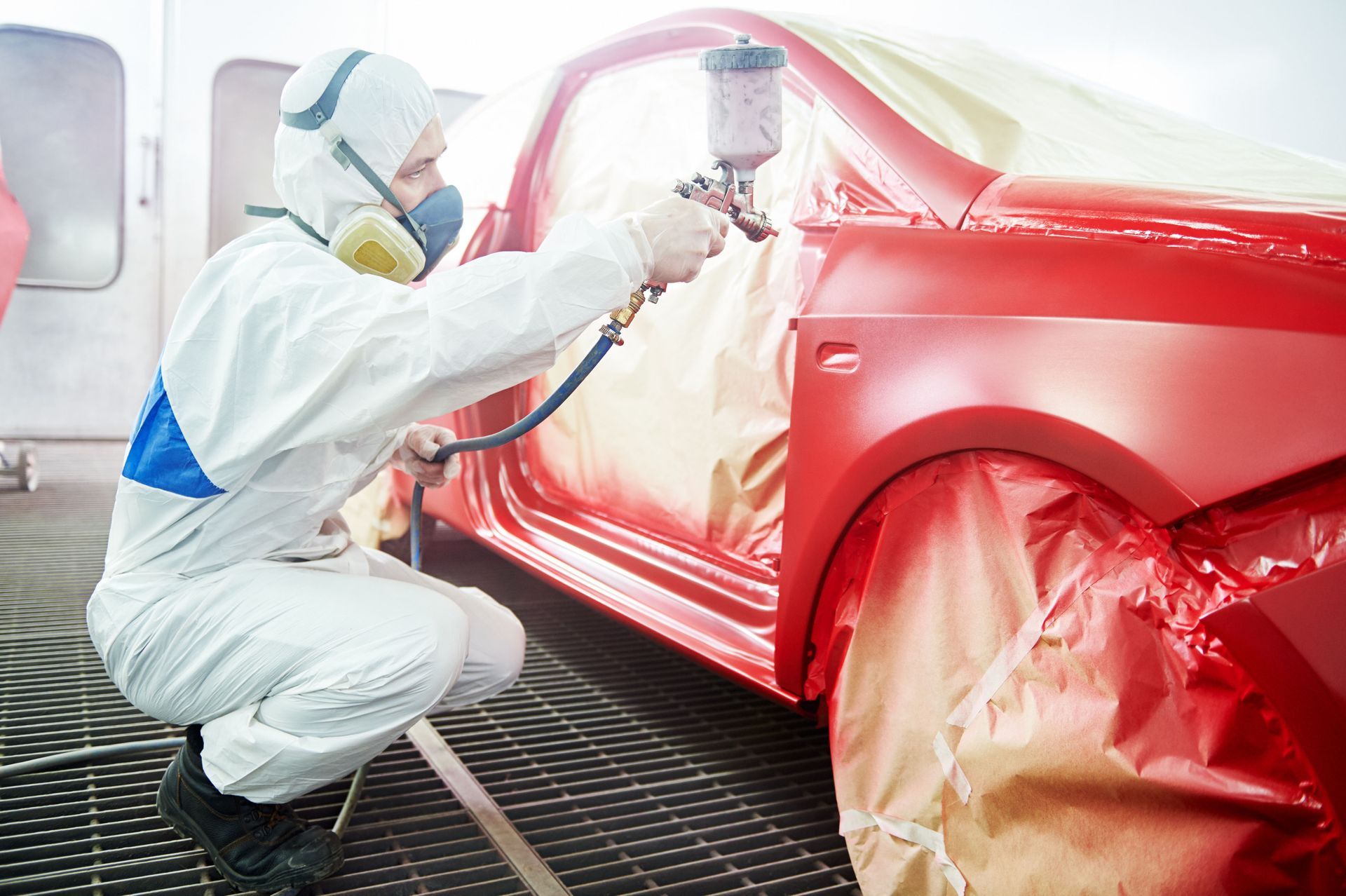
Once damaged body areas have been repaired, refinishing helps return the exterior to a consistent appearance. Professional auto painting is more involved than simply choosing a color that looks similar. Advanced color-matching methods are used to blend repaired areas with the vehicle's existing finish as seamlessly as possible.
A well-matched finish is an important final component of collision restoration because visible inconsistencies can leave repaired panels looking disconnected from the rest of the vehicle. Professional painting and color matching allow the finished surfaces to complement the corrected body work. Although frame straightening addresses structural geometry, refinishing completes the exterior restoration after those more fundamental repairs have been performed.
Precision Matters Throughout the Repair Process
Collision restoration consists of interconnected stages rather than a single correction. Assessment informs structural work, structural work establishes the proper foundation for body alignment, and body repairs prepare the vehicle for refinishing. Precision at each stage supports the quality of the work that follows.
This coordinated approach is one reason professional auto collision repairs are important when significant accident damage is present. Correcting only the most noticeable dent or scratch could leave other collision-related problems unaddressed. A comprehensive process instead considers the vehicle's structure, body, alignment, and exterior finish as related parts of the same restoration.
Professional Repairs Also Simplify the Post-Accident Process
Vehicle restoration can occur alongside insurance paperwork and other logistical concerns following an accident. Collision repair facilities that assist with insurance claims can communicate with insurers during the approval and repair process, reducing some of the administrative work vehicle owners otherwise face. Rental car coordination or courtesy pickup and drop-off can also make the period without the vehicle more manageable.
These conveniences do not replace the technical work required to restore structural integrity, but they support a more organized repair experience. When the repair facility can address major structural damage, body restoration, painting, and claim assistance through one coordinated process, vehicle owners have a clearer path from the initial damage assessment through repair completion.
Proper collision restoration addresses the effects of an accident from the underlying structure outward, bringing precision to damage that may not be obvious from appearance alone. By returning structural dimensions to manufacturer specifications and coordinating frame, body, and finish work, the repair process can restore the vehicle far beyond a cosmetic improvement. If you're in need of auto collision repairs, get in touch with the team at California West Coast Paint and Body!
Share On: