
What to Expect When You Visit an Auto Collision Center After an Accident
An accident can disrupt your day in seconds. Even if no one is seriously hurt, you are suddenly managing insurance calls, vehicle damage, transportation concerns, and unexpected stress. Walking into an auto collision center for the first time after a crash can feel overwhelming, especially if you have never been through the process before.
The reality is that a professional auto collision center handles situations like this every day. The process is structured, detailed, and designed to restore both your vehicle and your confidence behind the wheel. When you understand what happens at each stage, the experience becomes far more manageable and far less intimidating. Below is a comprehensive look at what you can expect, from the moment you arrive to the day you pick up your repaired vehicle.
Understanding The Initial Damage Evaluation Process
The first step inside an auto collision center is a complete damage evaluation. A technician will inspect visible exterior damage, but that is only part of the story. Modern vehicles are built with complex structural and safety systems that may be affected even in minor collisions.
You will likely be asked to explain how the accident occurred. That context helps technicians identify potential hidden damage points. For example, rear-end collisions often impact more than just the bumper; they can affect reinforcement bars, sensors, and alignment components.
Documentation is thorough and intentional. Photos are taken, notes are recorded, and preliminary measurements may be performed. According to Amica Insurance, around 1.7 million rear-end collisions take place in the U.S. each year. With accidents this common, precise documentation is critical to ensure accurate repairs and smooth insurance processing.
Reviewing The Repair Estimate With Clarity
After the inspection, the next step is preparing a detailed repair estimate. This is not a rough guess. A reputable auto collision center uses industry-standard estimating software and manufacturer repair procedures to calculate labor hours, parts pricing, and refinishing requirements.
The estimate will typically include line items for labor, replacement parts, paint materials, and any necessary structural repairs. A good repair advisor will walk you through the document and explain what each section means. This conversation is your opportunity to ask questions and clarify expectations.
If insurance is involved, the estimate is submitted for review. In some cases, an adjuster may inspect the vehicle in person or virtually. Your repair team coordinates that communication so you are not left navigating technical conversations on your own.
Coordinating The Insurance Claim Process
One of the biggest sources of stress after an accident is dealing with insurance. Fortunately, an experienced auto collision center acts as a bridge between you and your carrier. Once a claim is opened, the facility communicates directly with the adjuster to verify damage and confirm approved repairs.
It is common for additional damage to be discovered once the vehicle is disassembled. When that happens, the repair team submits a supplemental estimate for approval. This step protects you from paying for accident-related damage out of pocket.
Clear communication is essential during this stage. You should receive updates about approvals, delays, or changes to projected timelines. Transparency keeps the process predictable and helps you plan for transportation and scheduling.
Evaluating The Parts And Repair Options
At some point, you may discuss parts selection. There are generally two categories: Original Equipment Manufacturer (OEM) parts and aftermarket parts. OEM components are made by your vehicle’s manufacturer and are designed to match factory specifications precisely.
Aftermarket parts are produced by third-party manufacturers. They can be more cost-effective, but quality may vary depending on the supplier. Your insurance policy often influences which type is authorized.
A trustworthy auto collision center will explain the differences clearly. The goal is to balance safety, structural integrity, performance, and budget. When you understand your options, you can make informed decisions instead of feeling rushed or pressured.
Understanding The Step By Step Repair Process
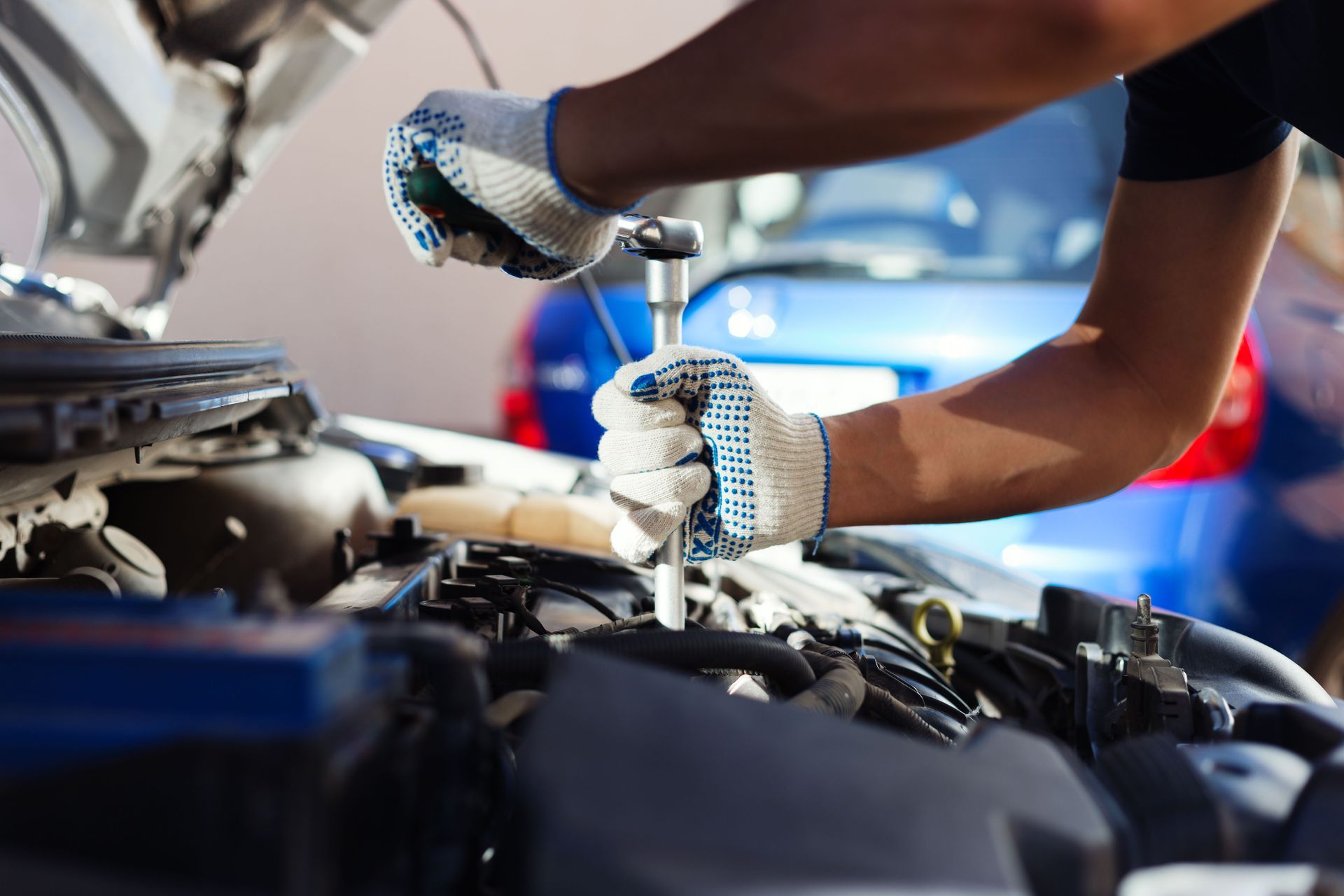
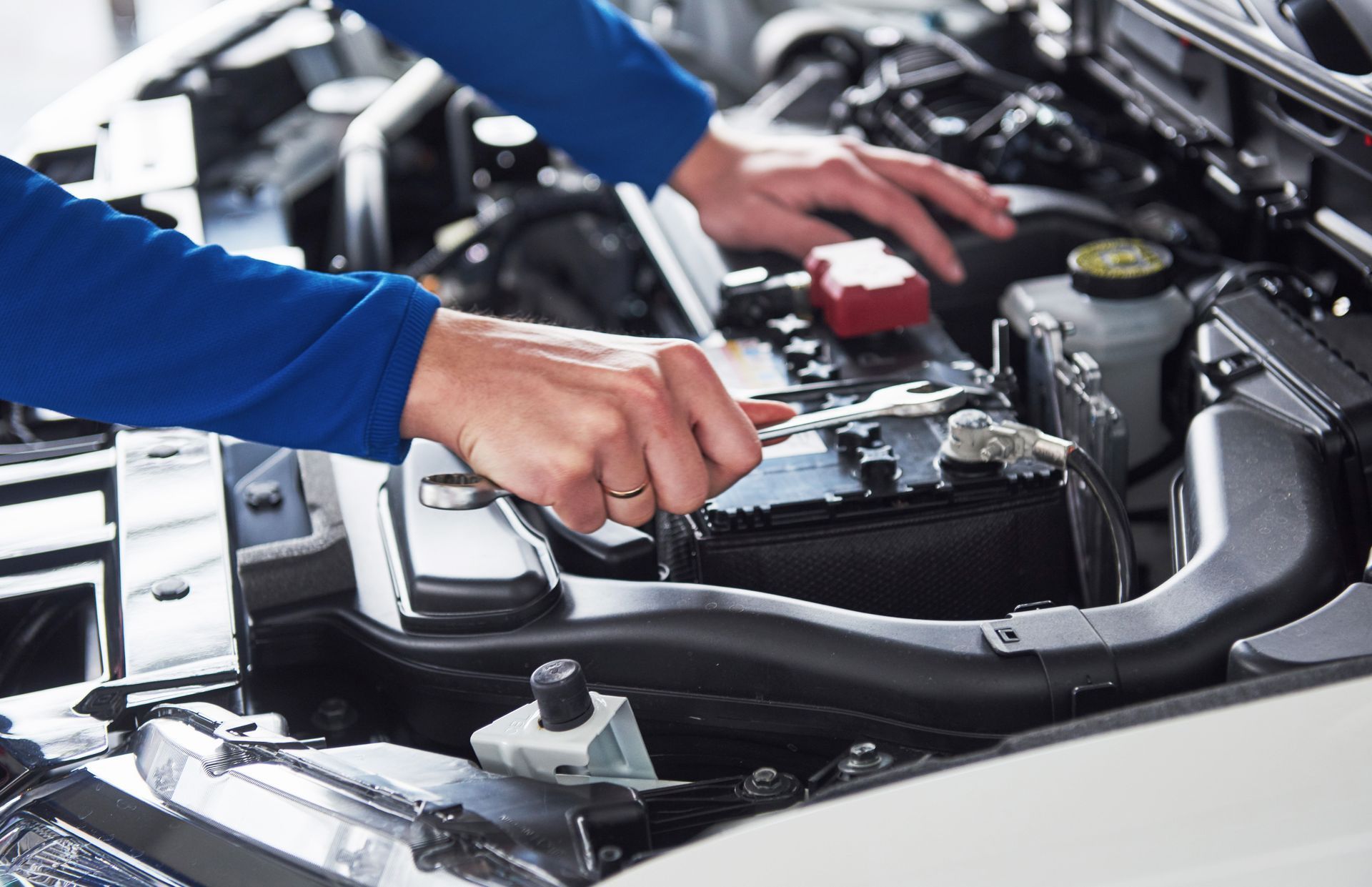
Once approvals are in place, the repair phase begins. The process typically starts with disassembly, where damaged components are removed to expose underlying structural areas. This allows technicians to confirm that all affected systems are addressed.
If structural damage is present, frame straightening and alignment procedures are performed using specialized equipment. Precision measurements ensure the vehicle meets manufacturer specifications. Structural integrity is not optional; it is foundational to safety.
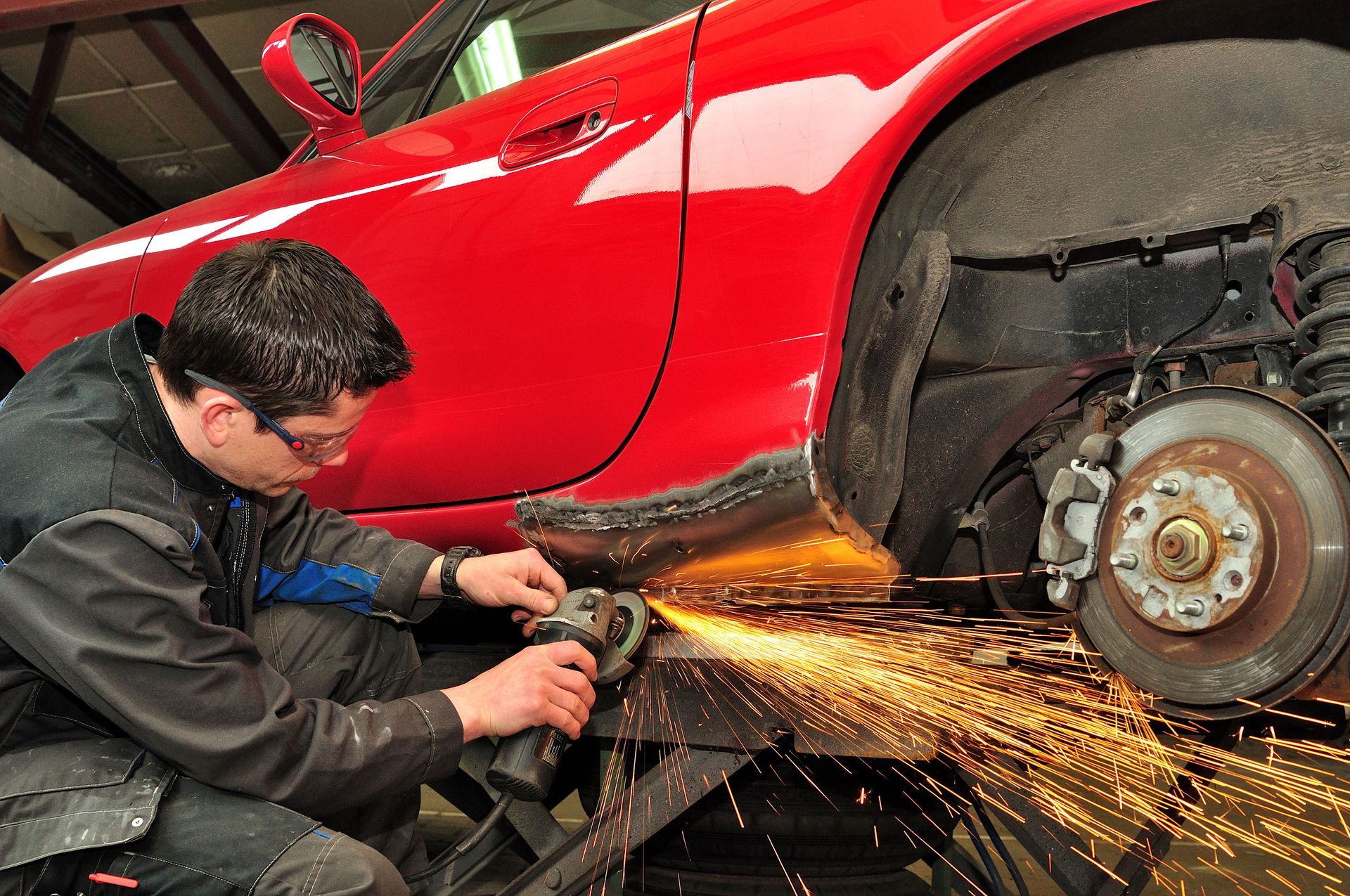
After structural work, body repairs begin. Panels may be repaired or replaced, welds are completed when necessary, and surfaces are prepared for refinishing. The vehicle then moves into paint preparation, where sanding, priming, and sealing take place before color application.
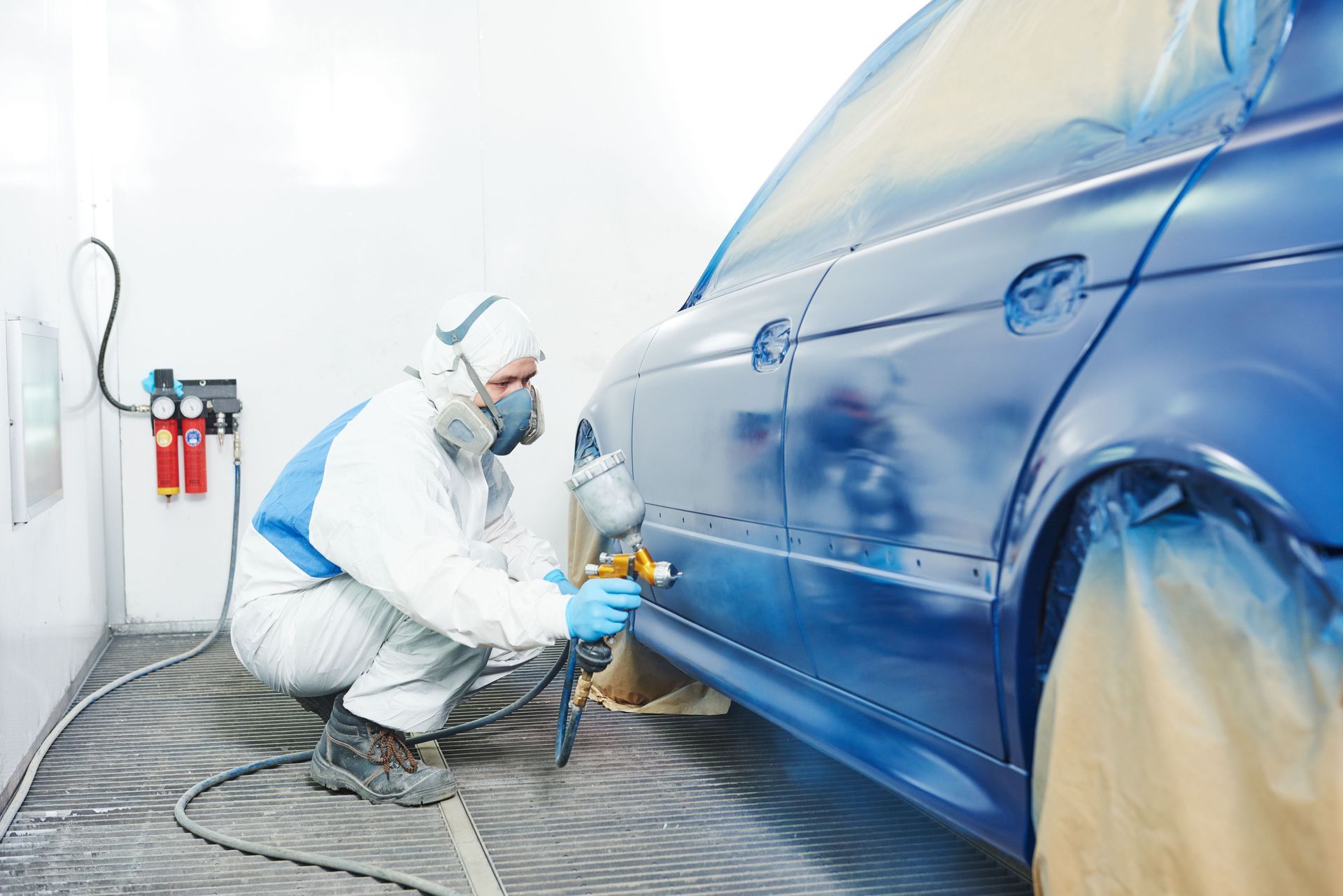
Modern paint systems use computerized color matching technology to blend seamlessly with your existing finish. Multiple layers, including base coat and clear coat, are applied to achieve durability and a factory-quality appearance. Once paint cures, the vehicle is reassembled and prepared for final inspection.
Managing The Timeline And Possible Delays
One of the most common concerns clients have is timing. How long will repairs take? The answer depends on several variables, including the extent of damage, parts availability, and insurance approvals.
Some repairs can be completed within days, while more complex structural damage may take weeks. Supply chain delays or specialty parts can extend timelines beyond initial projections. A professional auto collision center will provide realistic expectations rather than overly optimistic promises.
Regular updates help manage uncertainty. Even when delays occur, understanding the reason behind them makes the situation easier to navigate. Clear communication reduces frustration and maintains trust throughout the process.
Finalizing The Repair And Restoring Confidence
Before your vehicle is returned, it undergoes a final quality control inspection. Technicians verify panel alignment, paint consistency, safety system functionality, and overall workmanship. Many facilities also conduct post-repair diagnostic scans to confirm that sensors and electronic systems are fully operational.
You will have an opportunity to review the repairs and ask questions before leaving. Take your time during this walkthrough. Check paint finish, panel gaps, and interior cleanliness. A reputable auto collision center welcomes that level of attention because it demonstrates confidence in the work performed.
The final invoice will outline completed repairs and reflect any insurance payments applied. If a deductible is required, it is typically due at pickup. Once everything is reviewed and signed, you are ready to get back on the road.
Visiting an auto collision center after an accident does not have to be an overwhelming experience. When you understand the stages involved—from initial inspection and insurance coordination to structural repairs and final quality checks—the process becomes far more predictable.
Accidents are stressful, but the repair journey should not add unnecessary confusion. A professional team prioritizes safety, transparency, and clear communication at every step. With the right expectations and a knowledgeable repair partner, you can move forward with confidence knowing your vehicle is restored properly and responsibly.
If you need experienced guidance and quality repairs after an accident, trust California West Coast Paint and Body to walk you through every step with clarity and professionalism. Their team understands how stressful collision repairs can be, which is why they prioritize transparent communication, accurate estimates, and workmanship that meets the highest safety standards. From initial inspection to final quality check, they are committed to restoring your vehicle with care, precision, and the confidence you deserve when getting back on the road.
Share On: